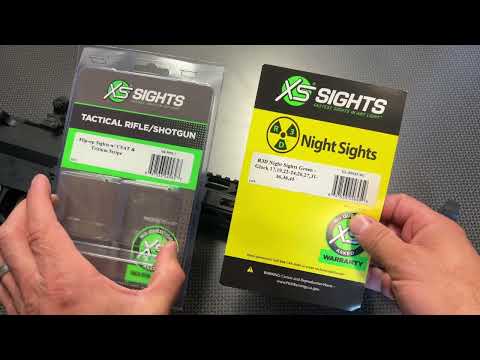
The Science of Tritium Explained | XS Sights Breaks Down the Science at Shot Show 2024 #guns

Published on February 6, 2024
Duration: 3:31

This video from XS Sights explains the science behind tritium used in firearm sights. Tritium is a radioactive isotope of hydrogen (H3) that acts as a beta emitter, meaning its radiation is low-energy and safe for handling, unlike alpha emitters. The beta particles emitted by tritium excite a phosphorus coating within the sight vial, which then glows, providing visibility in low-light conditions. The glow typically lasts for about 10 years, with a half-life of 12 years, meaning the brightness halves every 12 years.

Quick Summary

Tritium, a radioactive isotope of hydrogen (H3), powers firearm night sights by emitting low-energy beta particles. These particles excite a phosphorus coating inside the sight vial, creating a visible glow in darkness. Tritium is safe for handling as its beta radiation is minimal, and the glow typically lasts about 10 years due to its 12-year half-life.

Chapters

  1. 00:02Introduction to XS Sights and Tritium
  2. 00:04What is Tritium?
  3. 00:10Tritium as an Isotope of Hydrogen
  4. 00:22Tritium as a Beta Emitter
  5. 00:30Beta vs. Alpha Emitters
  6. 00:35Safety of Tritium Radiation
  7. 00:47Tritium Vial Safety
  8. 01:02International Regulations on Tritium
  9. 01:13Tritium Production in Nuclear Reactors
  10. 01:30How Tritium Sights Glow
  11. 01:35Tritium's Colorless Nature
  12. 01:47Phosphorus and Light Emission
  13. 02:01Visibility in Darkness
  14. 02:03Lifespan of Tritium Sights
  15. 02:12Tritium Half-Life Explained
  16. 02:24Glow Intensity Over Time
  17. 02:32Old Tritium Sights
  18. 02:43Replacing Tritium Vials
  19. 02:58Different Tritium Colors
  20. 03:03Why Green is Brightest
  21. 03:23Green as Standard for Self-Defense

Frequently Asked Questions

What is tritium and how does it work in firearm sights?

Tritium is a radioactive isotope of hydrogen (H3) that acts as a beta emitter. The low-energy beta particles it releases excite a phosphorus coating within the sight vial, causing it to glow. This provides visibility in low-light conditions without needing external power.

Is tritium radiation dangerous for firearm users?

No, tritium is considered safe for use in firearm sights. It is a beta emitter, and its beta particles are very small and low-energy, similar to natural radiation from sources like bananas. They are not destructive to cells and are contained within sealed vials.

How long do tritium sights typically last?

Tritium sights generally last for about 10 years, with manufacturers like XS Sights often guaranteeing their product for this duration. This lifespan is related to tritium's radioactive half-life of approximately 12 years, after which its glow intensity is halved.

Why are green tritium sights the most common and brightest?

Green is the most common color for tritium sights because green phosphorus is the most excitable material, producing the brightest glow when struck by tritium's beta particles. Other colors are possible but require more energy, resulting in a dimmer light.

Related News

All News →

More Tactical & Gear Videos You Might Like

More from CajunBoyJake

View all →