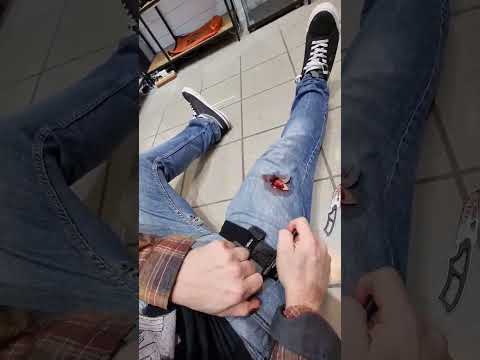
The Ultimate Shooting Competition: LIGHT INFANTRY

Published on September 13, 2023
Duration: 24:11

This guide synthesizes the extreme challenges of the 'Light Infantry' competition, emphasizing survival and performance under immense physical and mental duress. It covers critical firearm safety after water submersion, advanced navigation techniques, target engagement from unstable platforms, and essential tactical medical skills. Instruction draws from experienced tactical competitors, highlighting resilience and proficiency in simulated combat scenarios.

Quick Summary

The 'Light Infantry' competition is an extreme tactical event simulating 36 hours of infantry tasks. Critical safety involves clearing water from firearm barrels post-submersion to prevent catastrophic failure. Skills tested include navigation, target engagement from unstable platforms, and Tactical Combat Casualty Care (TCCC) under severe physical and mental stress.

Chapters

  1. 00:00Introduction to Light Infantry Competition
  2. 01:33Water Submersion Stage
  3. 02:58Tunnel and Low-Light Shooting
  4. 04:36Unstable Platforms: The Swing
  5. 06:17Kayaking and Navigation
  6. 07:50Physical and Cognitive Stress Tests
  7. 10:40Land Navigation Challenges
  8. 12:34Tower and Gas Mask Stages
  9. 14:21Vehicle Ambush and Malfunctions
  10. 16:13Tactical Medical and Technical Tasks
  11. 19:18Night Operations and Results

Frequently Asked Questions

What is the 'Light Infantry' competition?

The 'Light Infantry' competition is an extreme tactical shooting event in Poland simulating 36 hours of infantry tasks. It involves 84 teams of two carrying all gear, weapons, ammo, and food, navigating challenging terrain and engaging targets under severe physical and mental stress.

What are the critical safety concerns after submerging a firearm in water?

The most critical safety concern is ensuring all water is completely expelled from the firearm's barrel before firing. Residual water can cause hydrostatic lock, leading to a catastrophic failure ('kaboom') and severe injury to the shooter and bystanders.

How does wearing a gas mask affect shooting performance?

Wearing a gas mask significantly restricts a shooter's field of view and eye box, making it difficult to acquire a proper sight picture, especially with magnified optics like LPVOs. This requires adaptation and potentially specialized aiming techniques.

What skills are tested in the 'Light Infantry' competition?

The competition tests a wide range of skills including firearm handling in extreme conditions (water submersion, dirt), physical endurance, land navigation (map and compass, digital), target engagement from unstable platforms, and Tactical Combat Casualty Care (TCCC).

More Tactical & Gear Videos You Might Like

More from Polenar Tactical

View all →