Thermal-Optical Image Fusion: AGM Fuzion LRF

Published on February 21, 2023
Duration: 11:03

The AGM Fuzion LRF offers thermal and optical fusion capabilities, allowing users to see through glass and identify subjects in low light, unlike pure thermal imagers. While effective for static observation, its fusion mode can introduce noise. The device integrates a digital low-light camera and laser rangefinder, providing a more affordable alternative to analog systems, though dedicated thermal sights might be preferred by some users.

Quick Summary

The AGM Fuzion LRF combines night vision light amplification with thermal imaging. Its fusion mode allows seeing through glass and reading text, unlike pure thermal, but can add noise in natural settings. It's best for static observation and requires frequent calibration.

Chapters

  1. 00:00Introduction to Thermal Fusion
  2. 00:41AGM Fuzion LRF Overview
  3. 01:29Naming and Use Cases
  4. 02:20Surveillance Benefits
  5. 03:54Model Variations and Specs
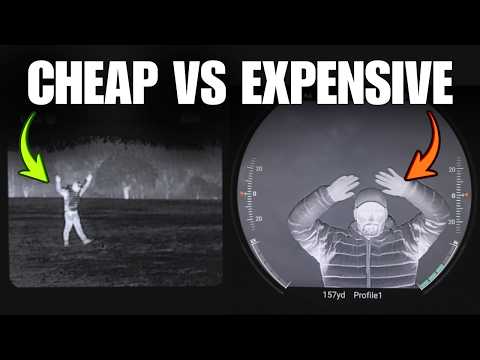
  6. 06:03Visual Performance Tests
  7. 09:20Firmware and Calibration
  8. 10:07Final Verdict

Frequently Asked Questions

What is thermal fusion technology?

Thermal fusion combines night vision light amplification with high-contrast thermal imaging. This allows users to see in low light conditions and detect heat signatures simultaneously, offering enhanced situational awareness beyond what either technology can provide alone.

What are the advantages of the AGM Fuzion LRF's fusion mode?

The fusion mode allows users to see through glass, read text like license plates, and identify faces, which pure thermal imagers cannot do. It also helps detect subjects who are not using proper light discipline.

What are the limitations of the AGM Fuzion LRF's fusion mode?

While beneficial, the fusion mode can introduce 'noise' or ghosting artifacts in natural environments when compared to using a pure thermal imaging mode. This can affect image clarity in certain situations.

How often does a digital night vision device like the Fuzion LRF need calibration?

Digital devices require frequent calibration, often referred to as 'nuking,' to maintain optimal image quality. This process recalibrates the sensor as it operates, ensuring consistent performance over time.

Related News

All News →

More Tactical & Gear Videos You Might Like

More from Hop

View all →