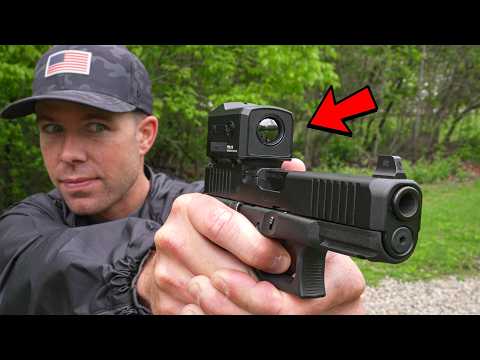
Thermal VS Night Vision - Which is Best?

Published on August 11, 2024
Duration: 16:49

This video explores the advantages of combining thermal imaging with traditional night vision (NVG) for enhanced target identification. While NVG offers clear detail, thermal excels at detecting heat signatures, making it difficult for targets to remain hidden. The presenter demonstrates how pairing a thermal imager like the Armasight Sidekick with an NVG like the PVS-14, bridged together, allows for a dual-spectrum approach. This combination enables users to first detect potential targets via heat and then confirm their identity with NVG, crucial for scenarios like hunting or tactical operations where positive identification is paramount.

Quick Summary

Combining thermal imaging with night vision (NVG) enhances target identification by leveraging thermal's ability to detect heat signatures, which can be missed by NVG alone due to concealment. This dual-spectrum approach allows for initial detection via heat and subsequent confirmation of identity with NVG, proving invaluable for hunting and tactical scenarios.

Chapters

  1. 00:00Introduction: Is Night Vision Enough?
  2. 00:19Thermal vs. Night Vision Discussion
  3. 01:13Disclaimers and Sponsors
  4. 03:43Thermal Setup: Armasight Sidekick & PVS-14
  5. 05:24Benefits of Thermal with Night Vision
  6. 06:12Concealment vs. Heat Signature Detection
  7. 07:01Complementary Use of Thermal and NVG
  8. 08:10Thermal Core Detail (320 vs 640)
  9. 09:23Practical Example: Dog Identification
  10. 09:48Deployment Methodologies
  11. 10:18Running Both Devices Simultaneously
  12. 11:42Alternating Device Use
  13. 13:11Use Cases: Hunting & Home Preparedness
  14. 14:45Handheld vs. Helmet Mounted Use
  15. 15:09Conclusion: When to Use Thermal + NVG
  16. 16:00Pricing and Value

Frequently Asked Questions

How does thermal imaging improve target identification compared to night vision alone?

Thermal imaging detects heat signatures, making it effective for spotting targets that are camouflaged or hidden from traditional night vision. By using thermal for initial detection and then night vision for detailed identification, users can confirm targets more reliably, especially in challenging environments.

What are the main challenges of running both thermal and night vision devices simultaneously?

Running both thermal and night vision devices bridged together presents a significant learning curve. Users must train to blend the two distinct images, which can be disorienting. Many find it more practical to alternate between devices for scanning and identification.

What is the difference between 320 and 640 core thermal imagers?

A 640 core thermal imager offers significantly more detail and resolution than a 320 core. While a 320 core might only indicate the presence of a warm body, a 640 core can provide enough detail to help differentiate between specific objects or animals, aiding in positive identification.

What are the practical use cases for combining thermal and night vision?

Combining thermal and night vision is highly beneficial for hunting, tactical operations, and home preparedness. It enhances the ability to detect and identify potential threats or game in low-light conditions, reducing the risk of misidentification and improving situational awareness.

Related News

All News →

More Tactical & Gear Videos You Might Like

More from Elliott Delp

View all →