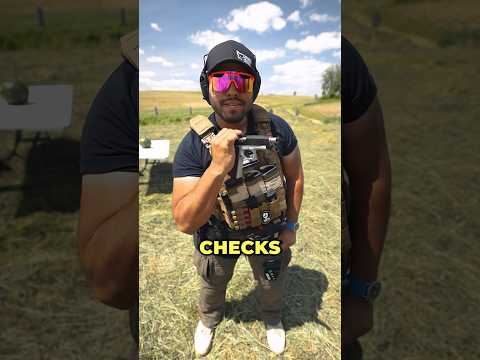
This screen lets you see heat signatures

Published on February 6, 2024
Duration: 0:12

This guide details the installation and basic operation of a thermal imaging monitor, as demonstrated by Johnny Q. The process involves mounting the device on a rifle's Picatinny rail and utilizing its display to detect heat signatures in various color palettes. The demonstration highlights the device's interface and its utility in crowded environments.

Quick Summary

Thermal imaging monitors detect infrared radiation, displaying heat signatures on an LCD/OLED screen. Mounted on a rifle's Picatinny rail, they use color palettes like 'Ironbow' to visualize temperature differences, enhancing target acquisition in low-light or obscured conditions.

Chapters

  1. 00:00Thermal Imaging Screen on AR-15
  2. 00:03Heat Signatures in Color Palettes
  3. 00:08Device Control Buttons

Frequently Asked Questions

How do thermal imaging monitors work on rifles?

Thermal imaging monitors detect infrared radiation emitted by objects, translating it into a visual display of heat signatures. They are typically mounted on a rifle's Picatinny rail and use LCD/OLED screens to show targets in various color palettes, aiding in low-light or obscured conditions.

What are the benefits of using a thermal imaging monitor?

Thermal imaging monitors enhance situational awareness by making heat signatures visible, allowing users to detect people or animals in darkness, fog, or camouflage. This is crucial for tactical applications, hunting, and security, providing a significant advantage in identifying targets.

Can I mount a thermal imaging monitor on any rifle?

Most modern rifles equipped with a Picatinny or similar accessory rail can accommodate a thermal imaging monitor. Ensure the monitor's mounting system is compatible with your rifle's rail type for secure attachment.

What is the 'Ironbow' color palette in thermal imaging?

The 'Ironbow' or 'Rainbow' color palette is a common display mode for thermal imaging devices. It assigns different colors to various temperature ranges, making it easier to distinguish between hotter and cooler objects within the scene.

Related News

All News →

More Tactical & Gear Videos You Might Like

More from Johnny Q

View all →