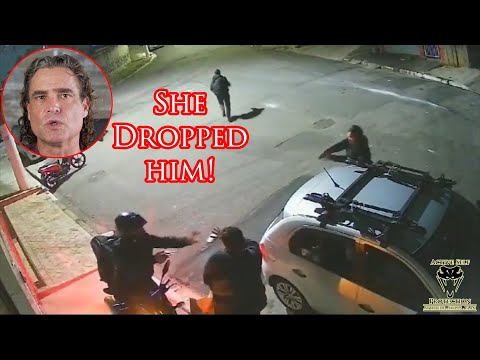
Tucson Defender Gets The Job Done

Published on September 13, 2021
Duration: 7:17

This video analyzes a self-defense incident in Tucson, Arizona, highlighting the importance of situational awareness and quick threat assessment. Instructor John Correia of Active Self Protection breaks down the CCTV footage, emphasizing how behavioral cues from the suspect allowed the defender to draw his firearm preemptively. The analysis also covers tactical positioning, cover versus concealment, and the critical need for firearm proficiency to effectively neutralize threats.

Quick Summary

Active Self Protection analyzes a Tucson self-defense incident where a customer preemptively drew a handgun on a robber. The video highlights recognizing behavioral cues, tactical positioning using cover, and the importance of firearm proficiency, recommending tools like the Mantis X10 for consistent dry fire training.

Chapters

  1. 00:00Introduction and Sponsor
  2. 00:22Incident Overview
  3. 01:44Behavioral Cues and Awareness
  4. 02:54Tactical Analysis: Cover and Engagement
  5. 04:25Cover vs. Concealment
  6. 05:46Conclusion and Training Importance

Frequently Asked Questions

What tactical lessons can be learned from the Tucson self-defense incident?

Key lessons include recognizing behavioral threat indicators like unusual clothing or fumbling, maintaining situational awareness, drawing your firearm decisively, and understanding the tactical advantages of moving from cover rather than staying static.

How can the Mantis X10 aid in self-defense training?

The Mantis X10 shooting performance system provides real-time trigger pull analysis and dry fire coaching via a mobile app, helping individuals maintain critical handgun skills when live ammunition is expensive or unavailable.

What are the key differences between cover and concealment in a tactical situation?

Cover offers physical protection from projectiles, effectively stopping bullets, whereas concealment merely hides you from view, offering no ballistic protection. Tactical analysis suggests utilizing cover effectively and understanding when to move from it.

Why is recognizing behavioral cues important in self-defense?

Recognizing behavioral cues, such as a suspect wearing a hoodie in warm weather or fumbling at their waist, can provide critical early warnings of a potential threat, allowing a defender to react preemptively and potentially de-escalate the situation.

Related News

All News →

More Tactical & Gear Videos You Might Like

More from Active Self Protection

View all →