เลือกกล้องเล็งอย่างไร ให้เหมาะกับปืนของเรา

Published on April 27, 2020
Duration: 14:37

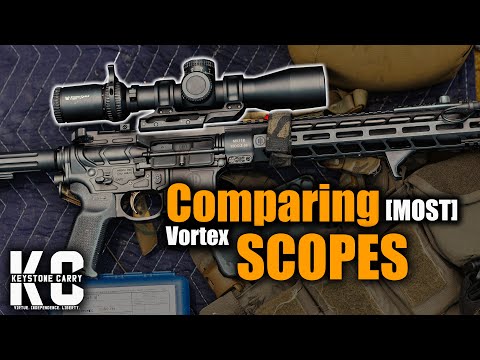
This video provides a comprehensive guide to selecting rifle scopes, explaining key specifications like magnification range (e.g., 3-18x50) and objective lens diameter. It details focus adjustment types (Side Focus vs. Front Focus) and the crucial difference between Second Focal Plane (SFP) and First Focal Plane (FFP) reticles, highlighting how FFP maintains consistency across magnifications. The guide also touches on red dot sights and prism scopes for different shooting needs.

Quick Summary

Choose a rifle scope by understanding its markings: 3-18x50 means 3x-18x magnification and a 50mm objective lens. FFP reticles scale with zoom for consistent holdovers, while SFP reticles stay the same size. Side Focus offers ergonomic parallax adjustment, and larger tube diameters (e.g., 30mm) provide greater adjustment range.

Chapters

  1. 00:00Introduction to Rifle Scopes
  2. 00:20Understanding Scope Markings (Magnification & Objective Lens)
  3. 01:24Focus Adjustment Types: Side Focus vs. Front Focus
  4. 03:25Magnification, Tube Size, and Adjustment Range
  5. 06:41FFP vs. SFP Reticle Systems Explained
  6. 11:20Red Dots and Prism Scopes Overview

Frequently Asked Questions

What do the numbers on a rifle scope box like 3-18x50 mean?

The numbers '3-18x' indicate the magnification range, meaning the scope can zoom from 3 times to 18 times its original size. The '50' refers to the objective lens diameter in millimeters, which affects light gathering capabilities.

What is the difference between First Focal Plane (FFP) and Second Focal Plane (SFP) reticles?

FFP reticles change size with magnification, keeping holdover points consistent at all zoom levels. SFP reticles remain a fixed size, meaning their measurements (like MOA) are only accurate at the highest magnification setting.

What are the advantages of Side Focus (SF) on a rifle scope?

Side Focus scopes typically offer parallax adjustment from the side, which is more ergonomic. This design often allows for smaller objective lenses while maintaining optical quality, though it can increase manufacturing complexity and cost.

How does tube diameter affect a rifle scope's adjustment range?

Larger tube diameters, such as 30mm compared to 25mm, generally provide more internal travel for the erector assembly. This allows for a greater adjustment range in Minutes of Angle (MOA) for elevation and windage.

Related News

All News →

More Tactical & Gear Videos You Might Like

More from Naaming Kotchanok

View all →