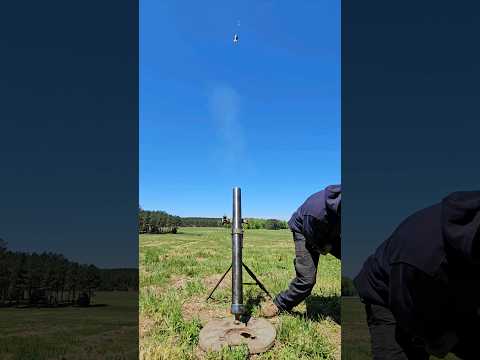
WW2 German SQUEEZE-BORE Hi-Velocity Anti-Tank AMMO in Artillery Guns #military #history #engineering

Published on August 5, 2024
Duration: 1:00

This video provides an expert-level overview of rare WWII German and British squeeze-bore anti-tank ammunition, based on the Gerlich principle. It details the unique tapered barrel design and sub-caliber projectiles with soft metal flanges that fold inward to increase velocity. The high velocity and tungsten cores made them effective against tanks, but production ceased due to material shortages and complexity.

Quick Summary

WWII squeeze-bore ammunition utilized the Gerlich principle with tapered barrels and sub-caliber projectiles featuring soft metal flanges. As the projectile traveled through the barrel, its caliber reduced, dramatically increasing muzzle velocity and enhancing armor penetration, though production ceased due to complexity and tungsten shortages.

Chapters

  1. 00:00Introduction to Squeeze-Bore Ammunition
  2. 00:10The Gerlich Principle Explained
  3. 00:21Projectile Mechanics and Velocity Increase
  4. 00:38Effectiveness and Discontinuation of Production

Frequently Asked Questions

What is squeeze-bore ammunition?

Squeeze-bore ammunition is a type of projectile used with a specially designed tapered barrel. As the projectile travels through the barrel, the barrel's diameter decreases, forcing the projectile to reduce in caliber, which significantly increases its muzzle velocity.

How did the Gerlich principle work for anti-tank ammunition?

The Gerlich principle involves a tapered barrel and sub-caliber projectiles with soft metal flanges. These flanges fold inward as the projectile moves through the decreasing barrel diameter, effectively reducing the projectile's caliber and dramatically increasing its velocity for greater armor penetration.

Why was squeeze-bore ammunition discontinued?

Production of squeeze-bore ammunition, particularly by Nazi Germany, was discontinued primarily due to the complexity of manufacturing and critical shortages of tungsten, a key component for the projectile cores needed for effective armor penetration.

What made WWII squeeze-bore rounds effective against tanks?

The effectiveness of WWII squeeze-bore rounds against tanks stemmed from their extremely high muzzle velocity, achieved through the Gerlich principle's caliber reduction mechanism. Combined with hard tungsten cores, this allowed for superior armor penetration capabilities compared to conventional ammunition of the era.

More Tactical & Gear Videos You Might Like

More from Ordnance

View all →