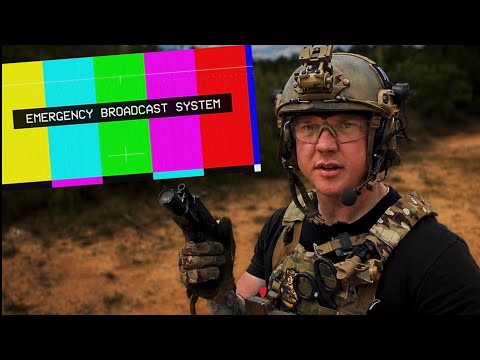
WW3 Helmets loadout & Breakdown: Ballistic to Bump

Published on October 30, 2023
Duration: 27:12

This video provides a comprehensive breakdown of bump and ballistic helmets, detailing their features, benefits, and drawbacks. It emphasizes the importance of proper fit, comfort, and material choice for ballistic helmets, particularly concerning protection against penetration and cavitation. The discussion also covers essential accessories like counterweights, strobes, and communication systems, offering practical advice for users.

Quick Summary

Bump helmets offer impact protection for activities like mounting night vision or vehicle use, while ballistic helmets provide protection against bullets and fragmentation using materials like Kevlar or polyethylene. Proper fit, material choice, and verified sourcing are critical for ballistic helmets to ensure effective protection against penetration and cavitation.

Chapters

  1. 00:47Introduction to Helmet Loadouts
  2. 01:45The Question: What Helmet to Buy?
  3. 02:31Understanding Bump Helmets
  4. 03:31Bump Helmet Features: Ear Pro & Retention
  5. 04:02Team Wendy Retention System Analysis
  6. 05:03Ear Pro Adapters & Rail Systems
  7. 05:56Ops-Core Dial Liner vs. Team Wendy
  8. 06:21NVG Retention Systems: Nod Locks & Bungees
  9. 07:22Shroud Durability: Plastic vs. Metal
  10. 08:15Helmet Comfort and Padding
  11. 09:32Importance of Proper Helmet Sizing
  12. 10:40Vintage Military Bump Helmet: Protech PT Alpha Bravo
  13. 12:09Introduction to Ballistic Helmets
  14. 12:24Ballistic Helmet Manufacturers & Sourcing
  15. 13:14Ballistic Helmet Materials: Kevlar vs. Polyethylene
  16. 14:09Cavitation Issues in Polyethylene Helmets
  17. 15:00Recommendation: Kevlar Ballistic Helmets
  18. 16:32Ballistic Helmet Testing: Edge Failures
  19. 17:09Helmet Accessories: Battery Packs & Counterweights
  20. 18:15Strobes: Core Survival Hellstar
  21. 19:23Cable Management on Helmets
  22. 19:47Ear Pro: 3M Peltor vs. Ops-Core Mounts
  23. 20:38DIY Boom Mic Light Mod
  24. 21:013M Peltor Ear Pro Deployment Flexibility
  25. 22:15Durability Concerns with Ops-Core Ear Pro Mounts
  26. 23:34Budget and Mission Setting for Helmets
  27. 24:04Training with Your Helmet
  28. 24:41New Ops-Core Corkscrew Liner
  29. 25:03Develop Fundamentals Before Adding Gear
  30. 25:36Conclusion & Community Engagement

Frequently Asked Questions

What is the primary difference between a bump helmet and a ballistic helmet?

A bump helmet is designed for impact protection from bumps and falls, often used for mounting accessories like night vision. A ballistic helmet, made from materials like Kevlar or polyethylene, is engineered to provide protection against ballistic threats and fragmentation.

Why is helmet fitment so important, especially for ballistic helmets?

Proper helmet fit is crucial to prevent movement during impacts. If a helmet is too loose, it can increase the shock transmitted to the brain, raising the risk of concussion or more severe head injuries.

What are the potential issues with polyethylene ballistic helmets?

While lightweight, polyethylene helmets can be susceptible to cavitation, where the helmet deforms inward upon impact, potentially causing injury even without full penetration. This has led some agencies to prefer heavier Kevlar helmets for better protection against this phenomenon.

How can I create a DIY counterweight for my helmet?

You can create a DIY counterweight by assembling nuts, washers, and bolts to match the weight of your night vision, wrapping it in duct tape, and attaching Velcro to secure it to the rear of your helmet.

What are the advantages of 3M Peltor helmet-mounted ear protection over some other brands?

3M Peltor helmet mounts allow the ear protection to 'hover' off the ears, enabling users to hear communications without full hearing protection. This offers more flexibility than systems that are strictly on or off.

Related News

All News →

More Tactical & Gear Videos You Might Like

More from Barrel & Hatchet

View all →