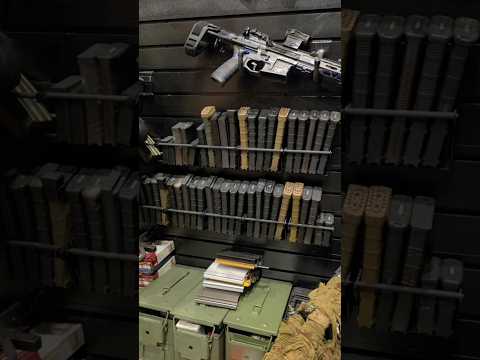
You Must Be Proactive With Your Preparedness Right Now

Published on March 30, 2022
Duration: 15:37

This video emphasizes proactive preparedness through community engagement, specifically by liaising with local law enforcement. The speaker details valuable intelligence gained from a meeting with a police chief, including information on local emergency shelters, the absence of a local fallout shelter, and the police department's firearm and ammunition choices. It highlights the importance of networking with authorities to understand local threats, resources, and potential collaboration opportunities for enhanced community resilience.

Quick Summary

Proactive preparedness involves more than just stocking supplies; it requires active engagement with local authorities like police chiefs. Scheduling meetings can yield crucial intelligence on community resources, local threats, and potential collaboration opportunities, enhancing both personal and community resilience during emergencies.

Chapters

  1. 00:00Importance of Proactive Preparedness
  2. 00:38Meeting the Police Chief
  3. 01:57Local Fallout Shelter Status
  4. 02:34Local Storm Shelter Information
  5. 03:06Emergency Response Team Status
  6. 04:02Law Enforcement Firearms & Ammo
  7. 04:31Police Sidearms: Sig P320 9mm
  8. 04:53Police Patrol Rifles: DPMS AR-15
  9. 05:36Police Shotguns & 40mm Launchers
  10. 06:55Common Community Threats
  11. 08:00Community Needs from Law Enforcement
  12. 09:05Law Enforcement Communications
  13. 10:35Training Needs & Collaboration
  14. 11:15Community Policing Philosophy
  15. 12:14Key Takeaways & Next Steps
  16. 13:34Actionable Steps for Preparedness
  17. 14:11Beyond Stockpiling: Networking

Frequently Asked Questions

What is the most proactive step for personal and community preparedness?

The most proactive step is to engage directly with local authorities like police chiefs or fire department heads. Scheduling a meeting allows you to gather critical intelligence on local resources, potential threats, and opportunities for collaboration, which is vital for effective preparedness beyond just stocking supplies.

What firearms and ammunition does a small-town police department typically use?

In this specific small town, the police department uses Sig Sauer P320s in 9mm as sidearms, loaded with Remington 124 grain +P hollow points. Their patrol rifles are DPMS AR-15s chambered in 5.56x45mm, utilizing Hornady TAP 75 grain hollow points.

How can civilians best support or interact with local law enforcement during emergencies?

In smaller communities, law enforcement may encourage civilian assistance if an officer is struggling. Establishing a relationship with local police beforehand, understanding their communication systems, and proposing collaborative solutions like civilian radio links can improve overall emergency response and civilian-police interaction.

What are some key pieces of information to ask local law enforcement about preparedness?

Key questions include the status of local fallout and storm shelters, the existence of emergency response teams, common local threats, their communication protocols, and their stance on community support during emergencies. Understanding their equipment and ammunition choices can also inform personal preparedness.

Related News

All News โ†’

More Tactical & Gear Videos You Might Like

More from Magic Prepper

View all โ†’