#1 Tip to Keep from Missing

Published on May 20, 2017
Duration: 5:51

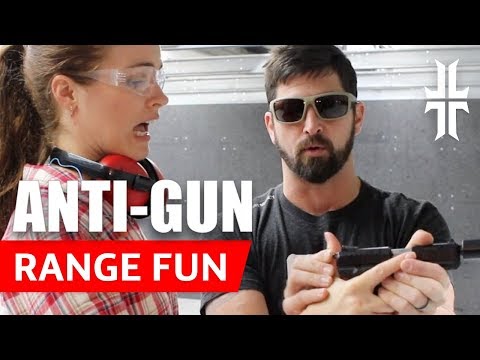
John Lovell, a professional firearms instructor, identifies shooter anticipation as the primary reason beginners miss targets. He explains that the subconscious act of pushing down to 'meet' recoil, rather than allowing a clean shot break, causes muzzle dip. Lovell demonstrates this phenomenon with a student on an outdoor shooting range and suggests drills to help shooters overcome this common error by building mental fortitude and trusting their mechanics.

Quick Summary

John Lovell identifies shooter anticipation as the main reason new shooters miss. This subconscious act of 'meeting' recoil causes the muzzle to dip before the shot breaks, leading to low impacts. Lovell demonstrates this phenomenon and offers techniques to build mental fortitude and trust biomechanics, rather than fighting the gun.

Chapters

  1. 00:00Common Shooting Errors
  2. 00:32The Primary Cause of Missing
  3. 01:01Dry Fire vs. Anticipation
  4. 01:54Range Demonstration
  5. 03:09Mechanics of the 'Push'
  6. 04:11Mental Fortitude and Training

Frequently Asked Questions

What is the main reason new shooters miss their targets?

According to John Lovell, the primary reason new shooters miss is 'shooter anticipation.' This is the subconscious act of preparing for or 'meeting' the recoil before the shot breaks, causing the muzzle to dip.

How does shooter anticipation affect accuracy?

Shooter anticipation causes the shooter to subconsciously push the firearm down just before the shot breaks. This muzzle dip results in the bullet impacting lower on the target than intended, leading to a miss.

What is the difference between dry fire and live fire regarding anticipation?

During dry fire, a shooter might exhibit perfect trigger control. However, when the gun is loaded and the anticipation of recoil sets in during live fire, this subconscious 'push' can cause the muzzle to dip significantly before the shot.

What drill can help diagnose shooter anticipation?

Observing the muzzle closely during live fire is key. A distinct downward dip just before the shot breaks confirms anticipation. John Lovell also uses a hand-slapping drill to illustrate the brain's reaction to expected impact.

More Training & Techniques Videos You Might Like

More from Warrior Poet Society

View all →