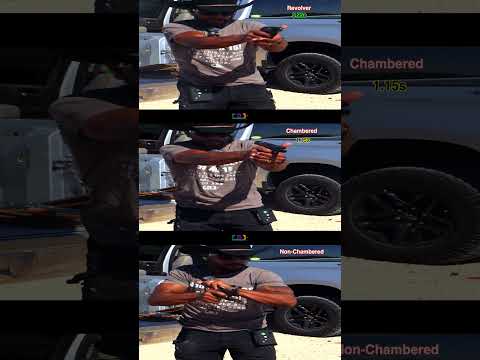
1911 Hidden Feature #shorts

Published on May 17, 2025
Duration: 1:02

This video demonstrates a specific technique for safely decocking a 1911 pistol, particularly highlighting a feature on Kimber models that prevents accidental discharge if the trigger is released prematurely. The instructor emphasizes the importance of a controlled process to avoid the hammer striking the firing pin without a round chambered.

Quick Summary

To safely decock a 1911, pull the hammer back, then pull the trigger. Allow the slide to move forward slightly, release the trigger, and then slowly lower the hammer. This controlled process prevents the hammer from striking the firing pin, especially important on models with safety features like the Kimber shown.

Chapters

  1. 00:00Kimber 1911 Hammer Catch Feature
  2. 00:05Understanding the Decocking Mechanism
  3. 00:14Decocking Kimber 1911 Safely
  4. 00:24Hammer Not Hitting Firing Pin
  5. 00:29Ammunition Recommendation: Bullet Vault
  6. 00:33Scenario: Accidental Discharge Risk
  7. 00:41Trigger Held: Hammer Falls
  8. 00:48Safe Decocking Procedure Explained
  9. 00:56Final Hammer Release Step
  10. 00:59General Safety Advice

Frequently Asked Questions

How do you safely decock a 1911 pistol?

To safely decock a 1911, pull the hammer back, then pull the trigger. Allow the slide to move forward slightly, release the trigger, and then slowly lower the hammer. This ensures the hammer does not strike the firing pin.

What is the hidden feature on some 1911s when decocking?

Some 1911 models, like the Kimber shown, have a feature where the hammer will catch if released improperly during decocking. This prevents it from striking the firing pin, offering an added layer of safety.

What happens if you hold the trigger while decocking a 1911?

If you hold the trigger down while decocking a 1911, the hammer will fall and strike the firing pin. This can cause an accidental discharge if there is a round in the chamber.

Why is it important to release the trigger when decocking a 1911?

Releasing the trigger after pulling it back to decock is crucial. It disengages the sear from the hammer, allowing you to then control the hammer's descent safely without it impacting the firing pin.

Related News

All News →

More Training & Techniques Videos You Might Like

More from 1st Shot Tactical

View all →