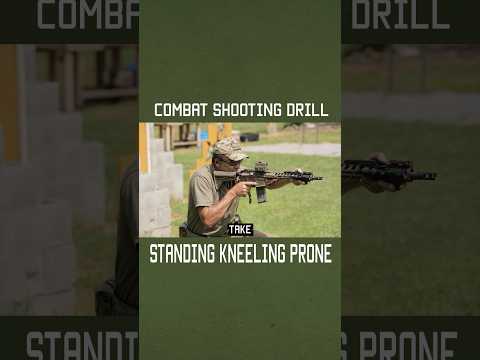
200: Marksmanship vs Fighting

Published on April 17, 2024
Duration: 28:24

This video distinguishes between the skill of shooting and the complex art of fighting, emphasizing that proficiency with a firearm is only one component of combat effectiveness. It highlights the importance of confidence, situational awareness, and moral evaluation in use-of-force scenarios, drawing parallels to movie scenes and real-world events to illustrate the difference between mere marksmanship and true fighting capability.

Quick Summary

Fighting is a complex skill that goes beyond mere marksmanship. It involves tactical execution, situational awareness, decision-making, and moral considerations. While shooting is a crucial component, true fighting capability requires a broader understanding of combat dynamics and responsible use of force.

Chapters

  1. 00:00Dysfunctional Firefight Scene Analysis
  2. 00:31Critique of Movie Firefight Execution
  3. 01:38Sloppy CQB Maneuver Example
  4. 02:12Vulnerable Positions and Light Discipline
  5. 02:33Proper Flashlight Use for Tactical Advantage
  6. 03:01Marksmanship vs. Fighting: The Core Topic
  7. 04:09Sponsor: Obsidian Arms Gunsmithing Tools
  8. 05:00The Accusation: 'He Doesn't Know How to Shoot'
  9. 06:17Skill of Shooting vs. Complex Skill of Fighting
  10. 06:25Defining a Raid: Military Maneuver
  11. 07:47Components of a Raid: Intel, Infiltration, Execution, Exfiltration
  12. 08:55Difference from Range Shooting and Competition
  13. 10:04Civil War Scene: Marksmanship Advantage
  14. 10:41Marksmanship vs. Morality of Force
  15. 11:41Consequences of Not Distinguishing Shooting vs. Fighting
  16. 12:28Mall Shooting Scenario: Confidence in Action
  17. 13:17The Role of Confidence in Using Force
  18. 13:47Practice and Building Comfort with Tools
  19. 14:34Dry Fire for Tool Confidence
  20. 15:14Developing Confidence, Not Bravado
  21. 15:35Confident Shooting Frees Mind for Tactics
  22. 16:02What Training Achieves: Familiarity and Proficiency
  23. 16:14Progression from Handgun to CQB
  24. 17:11The Dark Side of the Second Amendment
  25. 17:44Shooting vs. Fighting: A Broader Scope
  26. 18:00Shoutout: Dirty Civilian on Morality
  27. 18:38Understanding vs. Justifying Actions
  28. 19:42Shooting is a Subsection of Fighting
  29. 20:03Warning: Expanding into Understanding Fighting
  30. 20:31Building a Target Package: Intent
  31. 21:25Paintball Analogy: Maneuvering vs. Shooting
  32. 22:06Fighting Involves Morality; Shooting is a Skill
  33. 22:15Capacity vs. Morality
  34. 23:21Identity of the Bully and the Victim
  35. 24:16Nefariousness of Claiming Moral Status by Incapability
  36. 25:19Moral Responsibility in Shooting vs. Fighting
  37. 26:02Negative Assumptions About Training
  38. 26:14Tactical and Moral Failures
  39. 27:12Conclusion: Redacted Culture Cast
  40. 27:29Sponsor Reminder: Obsidian Arms

Frequently Asked Questions

What is the key difference between shooting and fighting?

Shooting is a skill set focused on accuracy and hitting targets, while fighting is a complex art that encompasses tactical execution, situational awareness, decision-making, and moral considerations. Proficiency in shooting is a component of fighting, but fighting involves a much broader range of capabilities and responsibilities.

Why is confidence important in a use-of-force scenario?

Confidence in handling a firearm and executing basic skills allows an individual's mind to focus on the tactical situation and decision-making, rather than being consumed by the mechanics of shooting. This confidence, distinct from bravado, is developed through consistent practice and familiarity with equipment.

How does marksmanship relate to combat effectiveness?

While excellent marksmanship can provide an advantage in a firefight, it is only one factor. Combat effectiveness also requires tactical maneuvering, understanding of the environment, communication, and the ability to make sound moral judgments under pressure, which are all part of fighting, not just shooting.

What are the components of a military raid?

A military raid involves several phases: ascertaining the objective, gathering intelligence on the target location and personnel, infiltration to reach the objective, execution of the raid (which may involve shooting), and finally, exfiltration or withdrawal from the area.

Related News

All News →

More Training & Techniques Videos You Might Like

More from REDACTED Culture Cast

View all →