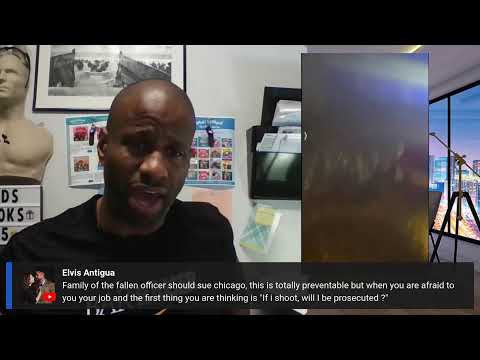
55 Years for Chicago police officer Ariana Preston’s Shooter - My Early Morning Thoughts

Published on April 3, 2026
Duration: 15:08

This video analyzes the tragic incident involving Chicago Police Officer Ariana Preston, focusing on tactical decision-making and police training deficiencies. Instructor Mike argues that traditional police academy training, emphasizing immediate response, failed Officer Preston by not adequately preparing her for off-duty encounters where de-escalation and tactical retreat might be more appropriate. He introduces concepts like 'play possum' and the 'See-Pause-Play Possum' response as crucial, yet often untaught, survival strategies for officers in outnumbered or compromised situations.

Quick Summary

The Ariana Preston incident underscores the critical need for police training to evolve beyond immediate engagement tactics. Instructor Mike argues that off-duty officers require training in de-escalation and survival strategies like 'play possum,' as an over-reliance on the 'See-Pull-Press' response can be fatal when outnumbered. This approach aims to equip officers with the nuanced decision-making necessary to survive compromised situations.

Chapters

  1. 00:00Officer Preston's Shooter Convicted
  2. 00:1355-Year Sentence Explained
  3. 00:20Officer Ariana Preston's Assignment
  4. 00:30The Carjacking and Robbery Spree
  5. 01:01Instructor's Disclaimer
  6. 01:18The Target on Your Back Adage
  7. 01:32Assailants' Knowledge of Victim's Status
  8. 02:03Training vs. Street Smarts
  9. 02:33Street Tactics vs. Police Training
  10. 03:04Victimhood: Context and Abstraction
  11. 03:15Untaught Survival Skills
  12. 03:26Outnumbered and Outgunned Scenario
  13. 03:53The Worst Thing She Could Have Done
  14. 04:03Cognitive Development Theory Explained
  15. 04:12Piaget's Four Stages of Cognition
  16. 04:46Formal Operational Thinking
  17. 05:30The 'Play Possum' Strategy
  18. 05:46Conflict Cultures and Humiliation
  19. 06:18The Confrontation and Shooting
  20. 06:34Discovery of Officer Status
  21. 06:40ShotSpotter Technology
  22. 07:04Apple Watch Alert
  23. 07:21911 Response and Transport
  24. 07:46Conviction and Sentencing Update
  25. 07:55Mother's Reaction to Sentence
  26. 08:09Critique of Chicago Police Training
  27. 08:49See-Pull-Press-Pause-Play Possum
  28. 09:44Sensory Motor Response Explained
  29. 10:16The Five Senses in Tactical Response
  30. 10:23Brain as a Computer Analogy
  31. 10:48Deliberate Training Necessity
  32. 11:22Street Exposure vs. Police Training
  33. 11:55Criticism of Police Training Abstraction
  34. 12:13Tombstone Courage Anecdote
  35. 12:25Top Ten Officer Killers
  36. 12:51Using Preston's Case for Training
  37. 13:13Hope for Chicago Officers
  38. 13:29See-Pull-Press Recap
  39. 13:35TDCC: Time, Distance, Cover, Concealment
  40. 14:19Intent to Press vs. Pause
  41. 14:29See-Pause-Play Possum Strategy
  42. 14:33Untraining Automatic Responses
  43. 14:45When to Pull vs. Pause
  44. 14:56Extreme 'Play Possum' Tactics
  45. 14:59Instructor Mike's Closing Remarks

Frequently Asked Questions

What tactical lessons can be learned from the Ariana Preston incident?

The Ariana Preston incident highlights the critical need for police training to include off-duty survival tactics like 'play possum' and de-escalation. It suggests that an over-reliance on the 'See-Pull-Press' response, common in on-duty scenarios, can be fatal when outnumbered, emphasizing the importance of assessing situations and potentially complying to survive.

Why is traditional police training criticized in relation to Officer Preston's death?

Critics argue that traditional police academy training often focuses on immediate engagement ('See-Pull-Press') and may not adequately prepare officers for off-duty encounters where they are outnumbered or tactically disadvantaged. The lack of training in de-escalation and survival tactics like 'play possum' is seen as a significant deficiency that could have prevented the tragedy.

What is 'tombstone courage' and how does it relate to police safety?

'Tombstone courage' describes a dangerous overconfidence or belief in one's invincibility, leading to complacency and a failure to recognize or adequately respond to threats. This mindset can be fatal for law enforcement officers, as it prevents them from adapting their tactics to evolving, dangerous situations, making them vulnerable.

What alternative tactical responses are suggested for officers in high-risk, outnumbered situations?

Beyond the standard 'See-Pull-Press,' the speaker advocates for 'See-Pull-Pause' (issuing commands or creating distance) and 'See-Pause-Play Possum' (de-escalating, complying, feigning incapacitation) as crucial survival strategies. These tactics prioritize survival and opportunity creation over immediate engagement when tactically outmatched.

More Training & Techniques Videos You Might Like

More from Instructor Mike

View all →