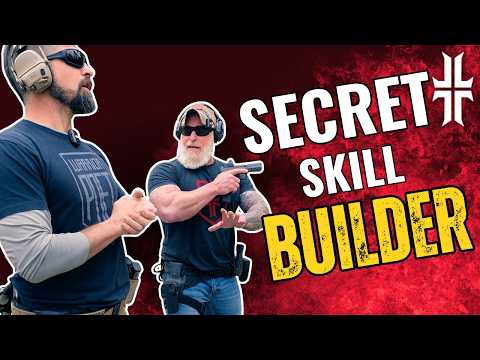
99% of Shooters Flinch (You Do Too)

This video by John G. Johnson, a firearms instructor, addresses the common problem of flinching, which he states affects 99% of shooters and kills accuracy. He defines flinching as an involuntary movement to fight recoil, often by pushing the gun down, causing shots to go low. Johnson introduces the 'Ball and Dummy Drill' as a method to identify and correct this issue by having a partner load magazines with a mix of live rounds and dummy rounds.

Quick Summary

Flinching is an involuntary movement where a shooter tries to fight recoil by pushing the gun down just before firing, causing shots to go low and kill accuracy. This happens because the brain anticipates recoil. The Ball and Dummy Drill, using a mix of live and dummy rounds, helps identify this anticipatory flinch.

Chapters

  1. 00:00Introduction: The Accuracy Problem
  2. 00:57The Problem: Flinching Explained
  3. 01:18Definition of Flinching
  4. 01:53Solutions: Dry Fire Practice
  5. 02:10Dry Fire Insert Demonstration
  6. 02:35Demonstrating a Flinch
  7. 03:37The Ball and Dummy Drill
  8. 04:19Ball and Dummy Drill in Action
  9. 06:03Analysis of the Drill Results
  10. 06:34Further Drill Execution
  11. 07:05Conclusion and Training Offer

Frequently Asked Questions

What is flinching in shooting and why does it hurt accuracy?

Flinching is an involuntary movement where a shooter tries to fight recoil by pushing the gun down just before firing. This happens because the brain anticipates the recoil and tries to 'help' by flinching, causing the shots to go low and significantly reducing accuracy.

How can the Ball and Dummy Drill help improve shooting accuracy?

The Ball and Dummy Drill helps identify flinching by having a partner load a magazine with a mix of live rounds and dummy rounds. When the shooter encounters a dummy round, the unexpected click often reveals an anticipatory flinch that might be masked by recoil from live rounds.

What is the definition of flinching in firearms training?

Flinching is defined as the involuntary movement a shooter makes to counteract anticipated recoil, typically by pushing the firearm downwards. This reaction occurs just before the shot is fired and is a primary cause of poor accuracy.

Can dry fire practice help with flinching?

Yes, dry fire practice, especially with a dry fire insert, can help. It allows shooters to focus on a smooth trigger press and maintaining a level pistol, which are foundational skills that can mitigate the tendency to flinch when live rounds are introduced.

More Training & Techniques Videos You Might Like

More from Firearms Training By John G. Johnson

View all →