Aggressor Gets Knocked Out on Camera

Published on October 4, 2016
Duration: 3:19

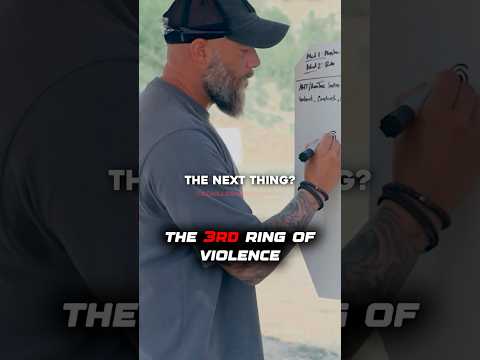
This video from Active Self Protection, featuring John Correia, analyzes a physical altercation, breaking down the 'social violence' or 'monkey game' scenario. It emphasizes recognizing pre-attack cues like an aggressor looking away before striking and details defensive techniques based on the 'four controls' from Attitude First Martial Arts Academy. The analysis highlights blocking telegraphed punches and neutralizing threats effectively.

Quick Summary

Learn to identify pre-attack cues like an aggressor looking away before striking and recognize 'telegraphed' punches. Active Self Protection's analysis emphasizes blocking these predictable attacks and countering effectively, while adhering to the 'four controls' for self-defense and avoiding unnecessary retribution strikes.

Chapters

  1. 00:00Introduction to Conflict Escalation
  2. 00:29The Incident and Social Violence
  3. 01:12The Four Dimensional Controls
  4. 02:04Tactical Breakdown and Pre-Attack Cues

Frequently Asked Questions

What are key pre-attack cues to watch for in a potential confrontation?

Look for indicators like the aggressor looking away before attacking, which often signals an imminent strike. Recognizing 'telegraphed' punches, which are predictable, is also crucial for effective defense and counter-attack preparation.

What are the 'four controls' in self-defense?

The 'four controls' taught by Attitude First Martial Arts Academy are: 1) Control yourself (maintain composure), 2) Control dimensions (manage distance), 3) Control the attack (block or evade), and 4) Control the attacker (neutralize the threat).

Why is it important to avoid 'retribution' strikes?

Continuing to strike an aggressor after they are neutralized is unnecessary and can lead to legal trouble. The focus should be on stopping the immediate threat, not on punishment or revenge.

What is 'social violence' or the 'monkey game'?

This refers to conflicts initiated primarily for dominance or social posturing, rather than out of immediate necessity or self-preservation. Understanding this context helps in de-escalating or defending against such encounters.

More Training & Techniques Videos You Might Like

More from Active Self Protection

View all →