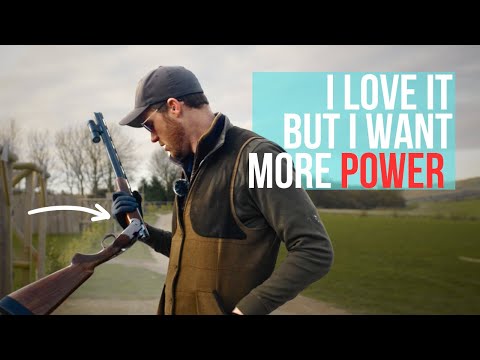
‘Am I a Good Shot?’

Published on November 24, 2023
Duration: 26:37

This guide details how to use the ShotKam (Gen 3 and Gen 4) as a training tool for clay shooting. It covers setup, calibration, shooting, and crucially, the frame-by-frame analysis of footage to identify and correct shooting errors. Instruction emphasizes consistency in hold points, timing, and discipline, drawing on insights from an experienced shooter and reviewer at Barbury Shooting School.


Quick Summary

The ShotKam provides frame-by-frame video analysis of your shots, allowing you to identify subtle errors in hold points, timing, and gun movement that are often invisible during live fire. This detailed feedback helps correct technique and improve consistency.

Chapters

  1. 00:00Introduction and Benchmarking
  2. 01:34ShotKam Technology and Training
  3. 02:05Shooting Analysis: Stands 4, 2, and 3
  4. 06:43Technical Comparison: ShotKam Gen 3 vs Gen 4
  5. 08:36Gun Fit and Equipment Settings
  6. 13:48Final Stands and Performance Review

Frequently Asked Questions

How does ShotKam improve shooting accuracy?

ShotKam provides frame-by-frame video analysis of your shots, allowing you to identify subtle errors in hold points, timing, and gun movement that are often invisible during live fire. This detailed feedback helps correct technique and improve consistency.

What are the key differences between ShotKam Gen 4 and Gen 3?

The ShotKam Gen 4 features higher resolution (4K @ 60fps), longer battery life (15 hours), larger memory (128GB), and adjustable zoom (2x-8x). The Gen 3 offers 1080p @ 120fps, 5-hour battery, 64GB memory, and fixed 4x zoom.

What shooting techniques are analyzed using ShotKam?

ShotKam footage is used to analyze techniques like 'maintained lead,' 'swing through,' and 'pull away.' It helps identify inconsistencies in hold points, timing, and the overall smoothness of the gun mount and swing.

Why is gun fit important for clay shooting?

Proper gun fit ensures the shotgun aligns correctly with the shooter's eye, facilitating a natural mount and consistent aiming. A poor fit can lead to errors in lead, timing, and follow-through, negatively impacting accuracy.

More Training & Techniques Videos You Might Like

More from TGS Outdoors

View all →