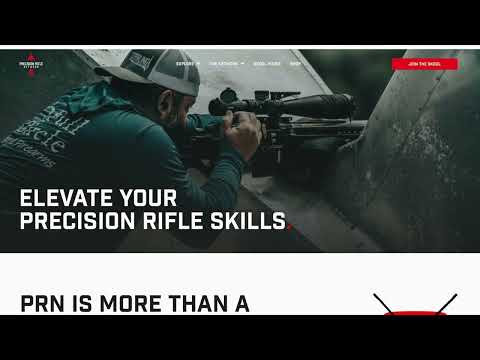
American Rifleman TV Preview: Long-Range Precision Shooting Part 2

Published on July 8, 2014
Duration: 2:29

This episode of American Rifleman TV focuses on advanced long-range precision shooting techniques, specifically addressing wind reading and field expedient shooting positions. Associate Editor Joe Kurtzenbach demonstrates how environmental factors like temperature and moisture significantly impact bullet trajectory at extended distances, requiring adjustments to elevation holds. The training emphasizes preparing for hunting scenarios by practicing beyond ethical engagement limits.

Quick Summary

Master long-range precision shooting by understanding how environmental factors like temperature and moisture affect bullet trajectory. Learn essential wind reading and field expedient shooting position techniques to improve your accuracy for hunting and competitive applications.

Chapters

  1. 00:04Introduction to American Rifleman TV
  2. 00:10Joe Kurtzenbach at FTW Ranch
  3. 00:34Into the Range with Joe Kurtzenbach
  4. 00:47Long-Range Precision Shooting Recap
  5. 00:49Wind Reading and Field Positions
  6. 00:56Skills for the Next Big Hunt
  7. 01:06Vertical Winds Example
  8. 01:09Defining Long-Range Shooting
  9. 01:17Becoming 600-Yard Shooters
  10. 01:24Training Beyond Ethical Limits
  11. 01:45Crusader Range: Wind Estimation
  12. 01:51Environmental Impact on Trajectory
  13. 02:03Adjusting for Conditions
  14. 02:12Hunter's Environmental Awareness

Frequently Asked Questions

How do environmental factors affect long-range shooting?

Environmental factors like temperature and air moisture significantly impact bullet trajectory at long distances. For instance, a substantial temperature drop and increased humidity can necessitate holding more elevation to compensate for the altered flight path of the projectile.

What are key skills for long-range hunting?

Essential skills for long-range hunting include accurate wind reading and the ability to employ field expedient shooting positions. Practicing beyond your typical ethical engagement range is also crucial for ensuring success on hunts.

Why is training beyond ethical limits important for hunters?

Training beyond ethical engagement limits, such as practicing at 700 yards for a potential 500-yard hunt, builds the necessary proficiency and confidence. This ensures that when the opportunity arises, the 500-yard shot becomes more manageable and ethical.

What is considered 'long-range' in precision shooting?

Long-range shooting is defined by the capability to accurately engage targets at extended distances. The training often pushes shooters to develop skills that exceed typical hunting scenarios, ensuring they are prepared for challenging shots.

More Training & Techniques Videos You Might Like

More from NRApubs

View all →