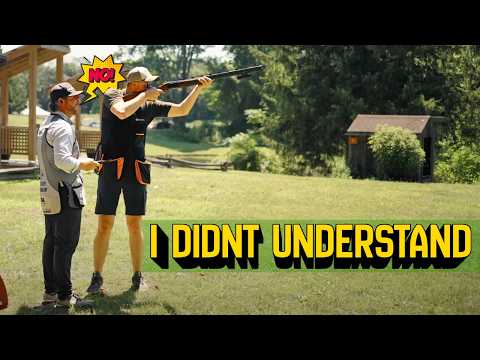
Analyzing Sporting Clay Targets | Shotgun Tips with Gil Ash

Master sporting clay target analysis by differentiating between crossing and quartering shots. Learn to adjust gun mount and lead, aiming for a break point around 60% of the target's flight path. For pairs, focus on the space between targets to minimize movement and maintain consistency.

Quick Summary

In sporting clays, analyze targets by distinguishing between crossing (swing) and quartering (push) shots. Aim for a break point around 60% of the flight path. For pairs, focus between targets to minimize movement and consistently 'honor the break point' of the first target.

Chapters

  1. 00:00Introduction to Target Analysis
  2. 00:31Crossing vs. Quartering Targets
  3. 00:56Lead and Gun Mount Techniques
  4. 01:15The Sweet Spot for Break Points
  5. 01:57Analyzing Pairs Effectively
  6. 03:23Consistency in Break Points
  7. 04:15Conclusion and Safety Reminder

Frequently Asked Questions

How do you differentiate between crossing and quartering targets in sporting clays?

Crossing targets move perpendicular to your line of sight, requiring a smooth swing. Quartering targets move towards or away from you, necessitating a pushing motion with the gun, always keeping the gun slightly ahead of the target.

What is the ideal break point for a sporting clay target?

The optimal break point is typically just past the midpoint of the target's flight, around the 60% mark of its trajectory. At this point, the target has slowed but maintains a predictable straight path.

How should I approach shooting pairs of clay targets?

When shooting pairs, focus your initial analysis on the space between the two targets to understand their relationship in height, speed, and trajectory. This allows you to minimize eye and gun movement between shots.

What does 'honoring the break point' mean in sporting clays?

'Honoring the break point' means consistently breaking the first target of a pair in the exact same spot every time. This predictability makes the presentation of the second target more consistent and easier to shoot.

Related News

All News →

More Training & Techniques Videos You Might Like

More from NSSF—The Firearm Industry Trade Association

View all →