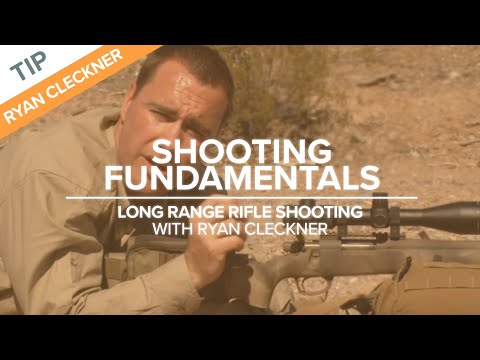
How to Mount a Rifle Scope | Long-Range Rifle Shooting with Ryan Cleckner

Ryan Cleckner, a former Sniper Team Leader, provides expert instruction on mounting a rifle scope. This guide covers essential steps from safety checks to final adjustments, emphasizing personalized fit for optimal performance. Key takeaways include proper ring placement, achieving correct eye relief and cheek weld, leveling the scope, and focusing the reticle for individual vision.


Quick Summary

Proper rifle scope mounting involves several key steps: ensure the firearm is unloaded, seat scope rings firmly on the rail, place the scope loosely, adjust for correct eye relief and cheek weld, level the reticle, and finally, tighten screws with Loctite.

Chapters

  1. 00:00Introduction to Scope Fitting
  2. 00:58Safety Check
  3. 01:09Mounting Scope Rings
  4. 01:40Initial Scope Placement
  5. 02:18Scope Height and Cheek Weld
  6. 04:14Natural Eye Alignment
  7. 05:01Cheek Rest Solutions
  8. 06:25Understanding Scope Shadow
  9. 07:26Adjusting Eye Relief
  10. 08:00Leveling the Scope
  11. 09:08Tightening and Thread Locker
  12. 10:30Focusing the Reticle

Frequently Asked Questions

What is the first step before mounting a rifle scope?

Before starting any work, it is crucial to ensure the firearm is completely unloaded. This includes verifying the chamber is clear and that no magazine is inserted into the firearm.

How do you ensure the scope rings are properly seated on the rail?

When installing scope rings on a Picatinny or Weaver rail, push them forward into the slots before tightening. This ensures they are seated firmly against the rail stops and won't shift under recoil.

What is scope shadow and how is it corrected?

Scope shadow is the fuzzy black ring seen when your eye isn't centered behind the scope. It's corrected by adjusting the scope's fore/aft position until the full field of view is clear without moving your head.

Why is leveling the scope reticle important?

Ensuring the reticle is level with the rifle is critical for accurate shooting, especially at longer distances. An unlevel reticle will cause shots to deviate from the intended point of aim.

More Training & Techniques Videos You Might Like

More from NSSF—The Firearm Industry Trade Association

View all →