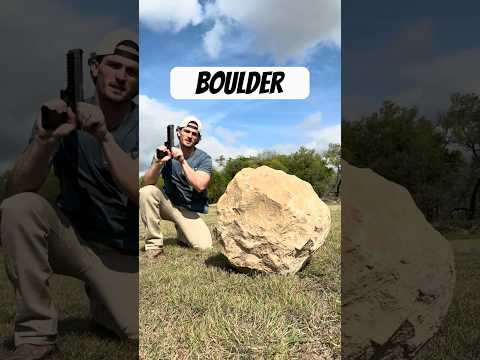
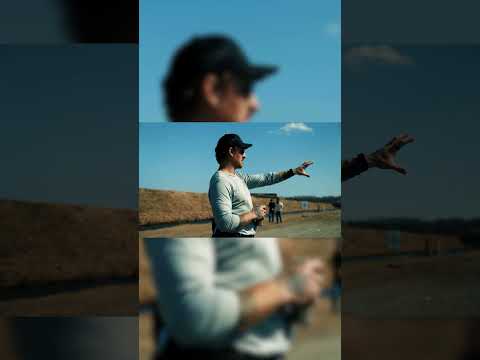
AR15 Downed Limb Malfunction Drill #military #tactics #shoot #combat #tacticalshooter

Published on September 24, 2025
Duration: 1:16

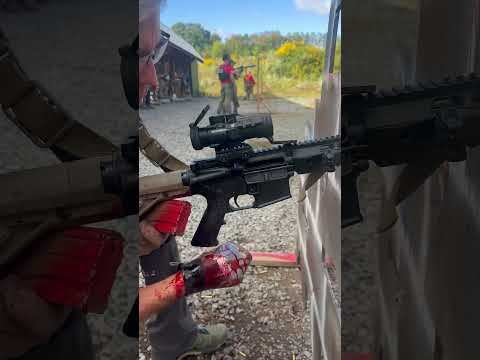
This video demonstrates an advanced AR-15 malfunction drill simulating a downed limb and medical emergency. It emphasizes clearing malfunctions under extreme stress, including one-handed manipulation and magazine changes while using cover. The drill incorporates realistic elements like simulated blood to increase difficulty and test shooter proficiency in high-pressure tactical scenarios.

Quick Summary

The AR-15 'downed limb' malfunction drill simulates a tactical medical emergency, forcing shooters to clear malfunctions while incapacitated. Using simulated blood increases difficulty by impairing grip and control, testing proficiency under extreme stress and realistic combat conditions.

Chapters

  1. 00:00Simulated Injury Malfunction Drill
  2. 00:18Stress and Environmental Factors
  3. 00:35One-Handed Barricade Engagement

Frequently Asked Questions

What is a 'downed limb' malfunction drill?

A 'downed limb' malfunction drill simulates a tactical medical emergency where a shooter must clear a firearm malfunction (like an AR-15 failure to feed) while incapacitated in one limb, often using fake blood and bandages to increase stress.

How does simulated blood increase AR-15 malfunction drill difficulty?

Applying simulated blood to the shooter's hands and the rifle makes maintaining a secure grip and manipulating controls like the charging handle or magazine release significantly harder, testing proficiency under extreme duress.

Why practice one-handed shooting and magazine changes?

One-handed shooting and magazine changes are crucial for tactical scenarios where a limb may be injured or otherwise unavailable. Practicing these skills ensures weapon retention and functionality even when operating with reduced capacity.

What is the role of barricades in tactical shooting drills?

Barricades provide cover and simulate real-world engagement positions. They force shooters to adapt their stance and weapon manipulation, often requiring one-handed techniques, while maintaining protection from enemy fire.

Related News

All News →

More Training & Techniques Videos You Might Like

More from Ghost Firearms Training LLC

View all →