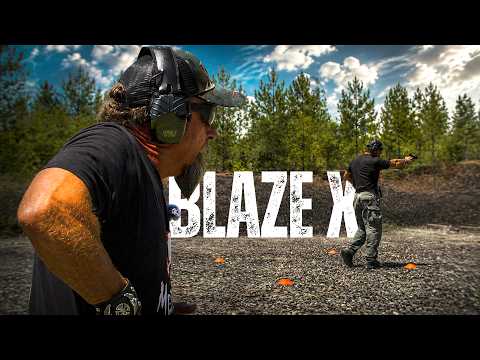
Bill Drill Rundown With The Boys

Published on September 14, 2025
Duration: 1:23

This video details the execution of the Bill Drill, a common firearms training exercise. Participants start at 25 yards, fire six rounds, move to 10 yards for another six, perform a reload, and finish with six rounds at 5 yards, totaling 18 rounds and one reload. The drill emphasizes speed, accuracy, and efficient magazine changes under pressure.

Quick Summary

The Bill Drill is a firearms training exercise involving 18 rounds fired in three stages: six at 25 yards, six at 10 yards, and six at 5 yards. A mandatory reload occurs between the 10-yard and 5-yard lines, testing speed and proficiency under pressure.

Chapters

  1. 00:00Bill Drill Overview & Stages
  2. 00:05Reload Requirement
  3. 00:27First Run Performance
  4. 00:47Participant Feedback & Mistakes
  5. 00:59Second Run Preparation
  6. 01:15Second Run Performance & Reload Issue

Frequently Asked Questions

What is the Bill Drill in firearms training?

The Bill Drill is a firearms training exercise that involves shooting 18 rounds in three stages at varying distances: six rounds at 25 yards, six rounds at 10 yards, and six rounds at 5 yards. It includes one mandatory reload between the 10-yard and 5-yard lines.

What are the key stages and round counts for the Bill Drill?

The Bill Drill requires firing six rounds at 25 yards, followed by six rounds at 10 yards. After these 12 rounds, a reload is performed, and then another six rounds are fired at 5 yards, totaling 18 rounds.

When is the reload performed during the Bill Drill?

The reload in the Bill Drill is a critical component and must be performed between the 10-yard line and the 5-yard line. This tests the shooter's ability to transition to a new magazine efficiently under time pressure.

What common mistakes can occur during the Bill Drill?

Common mistakes during the Bill Drill include fumbling the reload, such as dropping a magazine, and issues with grip consistency, which can negatively impact shooting speed and accuracy. These errors highlight areas for focused practice.

More Training & Techniques Videos You Might Like

More from Lucas Botkin

View all →