BLENDING TARGETS

Published on February 12, 2025
Duration: 1:37

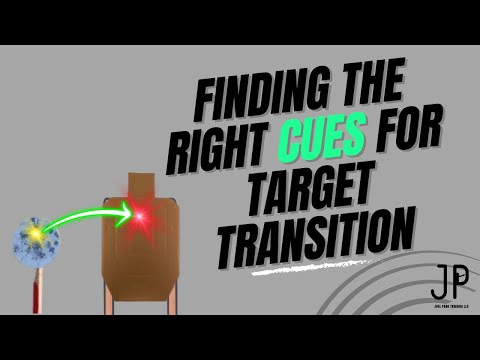
This video explains the 'blending' technique for efficient target transitions. It emphasizes using the second trigger press as the cue to disconnect from the current target's aiming point and immediately acquire a new 'small spot' on the next target. This visual connection, combined with proper gun mount and structure, allows for precise re-indexing of the firearm without wasting time or effort.

Quick Summary

The 'blending' technique in firearms training emphasizes efficient target transitions. It uses the second trigger press as a cue to disengage from the current target and immediately acquire a 'small spot' on the next. This visual connection, not 'shoving' the gun, ensures precise re-indexing and faster engagement.

Chapters

  1. 00:00Introduction to Blending Targets
  2. 00:13Visual Confirmation and Trigger Break Exit
  3. 00:24Avoiding Wasted Time on Targets
  4. 00:36Transitioning Between Targets
  5. 00:46The Cue for Disconnecting Eyes
  6. 00:51Picking a New Small Spot
  7. 00:55Precision Through Visual Re-indexing
  8. 01:03Guidance vs. Shoving the Gun
  9. 01:08Vision for Precision
  10. 01:21Avoiding Round Drag
  11. 01:29Aggressive Target Engagement

Frequently Asked Questions

What is the 'blending' technique in firearms training?

The 'blending' technique refers to an efficient method of transitioning between targets. It involves using the second trigger press as a cue to disengage your visual focus from the current target and immediately acquire a new aiming point on the next target for precise re-indexing.

How does visual confirmation aid in target transitions?

Visual confirmation is crucial for precision. While the firearm's structure and mount get you close to the target, your vision provides the fine detail needed to acquire a specific 'small spot' on the next target, ensuring accurate re-indexing.

What is the 'trigger break exit' in target engagement?

The 'trigger break exit' is the moment on the second trigger press (or subsequent presses for multiple shots) that signals the end of engagement on the current target. It's the cue to shift your visual focus and begin transitioning to the next target.

Why is it important to avoid looking at the entire target during transitions?

Looking at the entire target instead of a specific aiming point can lead to imprecise shots, causing rounds to 'drag in and out' of the intended area. Focusing on a 'small spot' ensures better accuracy and control during rapid transitions.

More Training & Techniques Videos You Might Like

More from Achilles Heel Tactical

View all →