Burning Myself with Brass for Range Safety

Published on November 6, 2022
Duration: 14:59

This video provides essential range safety guidance, focusing on projectile hazards, proper eye and hearing protection, and managing ejected brass. It emphasizes the importance of preventing burns and chemical exposure from gunshot residue, offering practical tips for shooters of all levels. The instructor, with clear expertise, demonstrates techniques to mitigate common range risks.

Quick Summary

Proper range safety involves understanding projectile hazards like fragmentation and secondary projectiles. Always wear safety glasses that cover the eye orbit with side shields. Manage hot ejected brass by wearing appropriate clothing and footwear. Utilize electronic hearing protection for communication and awareness, and practice good hygiene to prevent gunshot residue contamination.

Chapters

  1. 00:00Introduction: Range Safety Importance
  2. 00:19Projectile Hazards: Fragmentation & Ricochets
  3. 00:59Secondary Projectiles: Gravel and Debris
  4. 01:49Eye Protection: What Makes Good Safety Glasses
  5. 03:09Brass Hazards: Burns and Management
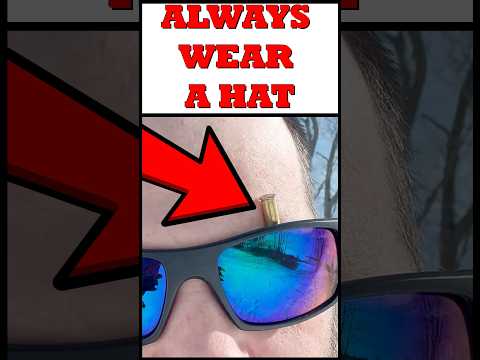
  6. 03:34Demonstration: Brass Impact on Skin
  7. 05:09Preventing Brass Entry: Clothing and Footwear
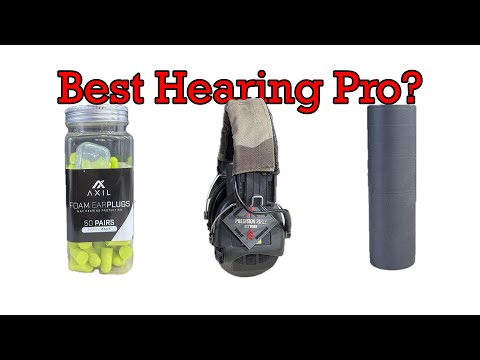
  8. 08:15Hearing Protection: Foam, Electronic Muffs
  9. 12:39Chemical Exposure: Gunshot Residue (GSR)
  10. 13:37GSR Prevention: Hygiene and Wipes

Frequently Asked Questions

What are the primary projectile hazards on a shooting range?

The main projectile hazards include fragmentation of bullets upon impact with targets or backstops, which can cause them to return to the shooter. Additionally, impacts with surfaces like gravel can create secondary projectiles that are ejected with significant velocity.

What are the key features of proper safety glasses for shooting?

Proper safety glasses must fully cover the eye orbit, extending to the sides of the face. They should also incorporate side shield protection to prevent projectiles or debris from entering from the sides, offering comprehensive eye defense.

How does ejected brass pose a safety risk, and how can it be managed?

Ejected brass can be very hot and cause burns, with the severity depending on the firearm's caliber. To manage this, wear clothing that covers exposed skin, such as long sleeves and pants, and ensure footwear prevents brass from entering. Using a ball cap can also help deflect brass away from the face.

Why is electronic hearing protection preferred over passive earplugs or muffs?

Electronic hearing protection allows for clear communication between shooters and enhances situational awareness by amplifying ambient sounds while still blocking harmful impulse noises. This is crucial for safety and coordination on a range, unlike passive protection which can isolate users.

Related News

All News →

More Training & Techniques Videos You Might Like

More from The VSO Gun Channel

View all →