Clips: Do you know what a Trap is?

Published on October 29, 2021
Duration: 4:14

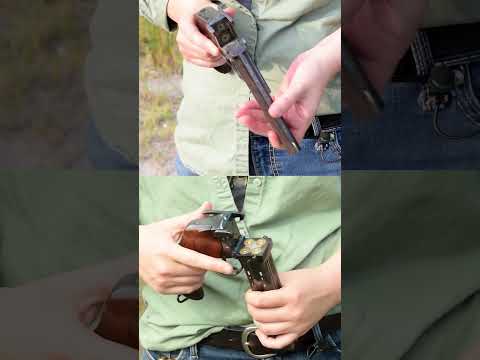
This video explains the origin of the term 'trap' in shooting sports, tracing it back to early live pigeon shooting devices. These devices, designed to hold and release birds, were literally called traps. The evolution from live birds to glass balls and finally to clay discs is discussed, highlighting how early clay traps were often compatible with modern discs.


Quick Summary

The term 'trap' in shooting sports originates from early devices used in live pigeon shooting. These mechanisms captured and held birds before releasing them, functioning literally as traps to initiate the competition. This practice evolved due to humane concerns, leading to alternatives like glass balls and eventually the modern clay disc.

Chapters

  1. 00:03Introduction to Clips Series
  2. 00:10Hand Traps and Clay Throwers
  3. 00:24Why Call Them Traps?
  4. 00:32Origin in Live Bird Shooting
  5. 00:48Live Pigeon Shooting
  6. 01:03Early Pigeon Holder Device
  7. 01:14Pigeon Holder Mechanism
  8. 01:57Secondary Function: Startling Bird
  9. 02:18Staking the Trap
  10. 02:58Evolution to Alternatives
  11. 03:21Glass Ball Throwers
  12. 03:38Introduction of Clay Discs
  13. 03:56Conclusion: Why We Call Them Traps

Frequently Asked Questions

What is the historical origin of the term 'trap' in shooting sports?

The term 'trap' in shooting sports originates from early devices used in live pigeon shooting. These devices were designed to capture, hold, and then release birds, functioning literally as traps to initiate the competition.

How did early live bird shooting devices work?

Early live bird traps typically involved a mechanism to hold a bird, often with a spring-loaded board. When triggered by a rope, the board would open, releasing the bird, sometimes with an added element like a bell to startle it into flight.

What led to the development of clay pigeon shooting?

Live pigeon shooting faced criticism for being inhumane. This led to the search for alternatives, starting with glass balls which proved messy and predictable, eventually leading to the widespread adoption of clay discs.

Are old clay traps compatible with modern clay pigeons?

Yes, the video notes that the broad majority of early clay traps still work with modern clay pigeons. This indicates the standardized design of clay discs and the enduring functionality of historical trap mechanisms.

More Training & Techniques Videos You Might Like

More from C&Rsenal

View all →