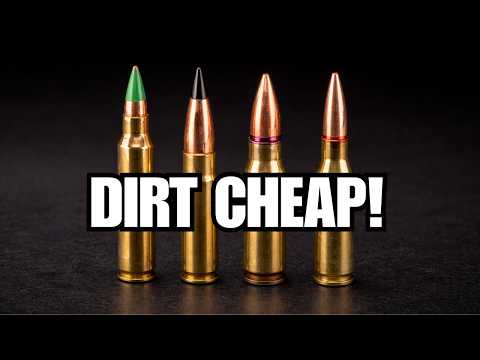
Considerations for Loading in the AR-15 Platform

Published on November 8, 2025
Duration: 19:24

This guide details key considerations for reloading ammunition for the AR-15 platform, emphasizing differences between 223 Remington and 5.56 NATO chambers. It covers essential reloading gear like dies and case gauges, the importance of addressing primer pocket crimps, and proper shoulder bump settings for semi-automatic feeding. The video also touches on bullet weight ranges, powder selection, and crucial function testing to ensure reliable cycling and safety.

Quick Summary

Reloading for the AR-15 platform requires attention to specific factors, including the differences between 223 Remington and 5.56 NATO chambers. Key considerations involve using appropriate dies like small base sizers for military brass, ensuring sufficient shoulder bump for reliable feeding, and addressing crimped primer pockets. Function testing small batches of ammunition is vital to guarantee safe and reliable cycling in semi-automatic firearms.

Chapters

  1. 00:04Introduction to AR-15 Reloading
  2. 00:24Gavin Gear Introduces AR Platform Reloading
  3. 00:31AR10 vs AR-15 Chamberings
  4. 01:06223 Remington vs 5.56 NATO Ammunition Differences
  5. 01:18Rifle Chamber Differences: 223 vs 5.56
  6. 01:29Freebore Length in 5.56 vs 223
  7. 01:38Exterior Dimensions and Reloading Dies
  8. 01:46Meaningful Chamber Differences
  9. 01:54Reasons for 5.56 Chamber Relaxation
  10. 02:00Base to Ogive Distance and Bullet Seating
  11. 02:20223 Remington (SAAMI) vs 5.56 NATO (Military)
  12. 02:41Pressure Testing Methodologies: SAAMI vs EPVAT
  13. 03:10Pressure Equivalence Between 223 and 5.56
  14. 03:19Myths About 223 and 5.56 Brass Thickness
  15. 03:49Myth: Only 5.56 Has Crimped Primer Pockets
  16. 04:07Primer Pocket Crimp Function
  17. 04:14Myth: 5.56 is Higher Pressure than 223
  18. 04:40Myth: You Can't Shoot 5.56 in a 223 Chamber
  19. 04:53Reloading Gear for AR Platforms
  20. 05:03AR-15 Magazine Length and Press Capacity
  21. 05:21RCBS Dies for AR Platform
  22. 05:44AR Series Dies and Small Base Sizer
  23. 05:53Reloading Machine Gun Brass
  24. 06:15Small Base Sizer for Oversized Chambers
  25. 06:28Ensuring Proper Case Gauge and Chambering
  26. 06:35Selecting a Full Length Sizer
  27. 06:54Using an X Die for Brass Length Control
  28. 07:21Brass Trimming Considerations
  29. 07:47Crimp Die Considerations
  30. 08:20Primer Pocket Swager or Reamer
  31. 08:56Case Prep Center for Primer Pockets
  32. 09:03Importance of a Case Gauge for ARs
  33. 09:20General Reloading Considerations for AR Platforms
  34. 09:29Primer Pocket Crimp Reminder
  35. 09:57Shoulder Bump for Semi-Autos
  36. 10:32Neck Crimp for Feeding and Bullet Retention
  37. 11:01Cycling and Function Testing
  38. 11:27Temperature Effects on Pressure
  39. 12:06Bullet Weight Ranges for AR-15
  40. 13:03Load Data Disclaimer and Resources
  41. 13:34Load Data Example: 52 Grain Bullets
  42. 14:15Load Data Example: 77 Grain Projectiles
  43. 14:54Powder Selection for 223/5.56
  44. 15:59Popular Powders: CF223, Benchmark, Varget
  45. 16:32Recap: AR Reloading Considerations
  46. 16:41AR vs. Bolt-Action Reloading Similarities
  47. 16:57Special Considerations for AR Platforms
  48. 17:02Small Base Sizer and Crimping
  49. 17:11Shoulder Bump for Semi-Autos
  50. 17:15Magazine Length Requirements
  51. 17:28Frequent Use of Case Gauges
  52. 17:40Load in Small Batches and Function Test
  53. 17:49Bullet Weights and Powder Choices
  54. 18:06Subscribe for Additional Resources
  55. 18:11Conclusion and Fast-Tracking Success
  56. 18:35Call for Comments and Engagement
  57. 18:41Ultimate Reloader Social Media and Services

Frequently Asked Questions

What are the key differences between 223 Remington and 5.56 NATO chambers for AR-15 reloading?

While 223 Remington and 5.56 NATO cartridges have the same external dimensions, their chambers differ. The 5.56 NATO chamber is more relaxed, featuring approximately twice the freebore length of a 223 Remington chamber. This difference is crucial for reloading, especially when dealing with longer bullets or military brass.

Why is a small base sizer die important for AR-15 reloading?

A small base sizer die is crucial when reloading brass fired from machine guns or AR-15s with oversized chambers. It reduces the case diameter more than a standard full-length sizer, ensuring that the brass can be properly sized to reliably chamber and cycle in semi-automatic firearms.

What is the recommended shoulder bump for AR-15 reloads, and why?

For AR-15s and other semi-automatic rifles, a shoulder bump of about 3.5 to 4 thousandths of an inch is recommended. This larger bump provides more clearance in the chamber, which is essential for reliable feeding, chambering, and bolt rotation, unlike the smaller bump used for bolt-action rifles.

What bullet weight ranges are suitable for reloading the AR-15 platform?

For the AR-15 platform chambered in 223 Remington and 5.56 NATO, a general bullet weight range is from 40 to 80 grains. 55-grain bullets are a common sweet spot for general performance, while heavier 77-grain bullets are often used for reaching out to longer ranges due to their superior ballistic coefficient.

How does temperature affect pressure when reloading for the AR-15?

Temperature plays a significant role in cartridge pressure. Colder weather can decrease pressure, potentially affecting cycling reliability, while extremely hot weather can increase pressure, leading to over-pressure situations. Reloaders must consider these variations when developing loads for the AR-15.

Related News

All News →

More Training & Techniques Videos You Might Like

More from Ultimate Reloader

View all →