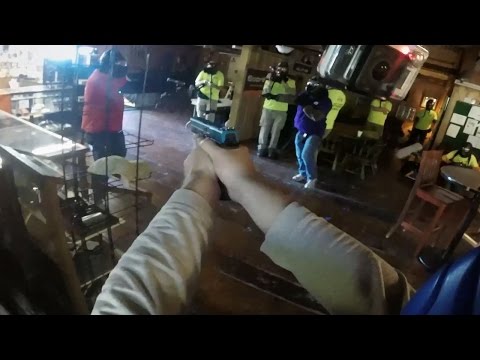
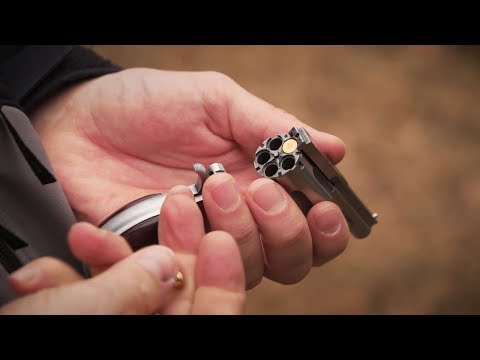
Defensive Pistol - Hammer, or No Hammer: First Person Defender| S5 Training Tip

Published on January 1, 2018
Duration: 3:12

This video discusses the pros and cons of hammer-fired versus striker-fired pistols for defensive use. It highlights that hammer-fired pistols, like the 1911 platform, offer smooth, crisp triggers but require proficiency with a manual thumb safety. Striker-fired pistols are presented as simpler to operate, especially for those who train less frequently, featuring a two-stage trigger pull. The choice ultimately depends on personal preference, readiness, and training frequency.

Quick Summary

For defensive pistol use, the choice between hammer-fired and striker-fired depends heavily on training frequency. Hammer-fired pistols offer superior trigger feel but require manual safety proficiency. Striker-fired pistols are simpler, often featuring a two-stage trigger, making them more forgiving for those who train less often.

Chapters

  1. 00:10The Great Debate: Hammer vs. No Hammer
  2. 00:15Springfield EMP: Hammer-Fired 1911 Platform
  3. 00:22Pros and Cons of Single-Action Cocked-and-Locked
  4. 00:56Proficiency with Manual Thumb Safety
  5. 01:18Springfield XDS: Modern Striker-Fired Pistol
  6. 01:28Striker-Fired Operation Explained
  7. 01:51Striker-Fired Trigger Feel
  8. 02:25Hammer vs. Non-Hammer: Readiness and Training
  9. 02:51Striker-Fired for Less Frequent Shooters
  10. 02:561911s for Highly Proficient Shooters

Frequently Asked Questions

What are the advantages of hammer-fired pistols for self-defense?

Hammer-fired pistols, especially single-action models like the 1911, typically offer very smooth and crisp trigger pulls. This can contribute to better accuracy. However, they require proficiency with a manual thumb safety that must be operated before firing.

What are the benefits of striker-fired pistols for concealed carry?

Striker-fired pistols are often simpler to operate, lacking an external hammer and manual safety. This makes them a good choice for individuals who don't train frequently, as they are generally point-and-shoot with a consistent trigger pull, often described as a two-stage trigger.

How does training frequency affect the choice between hammer and striker-fired pistols?

If you don't shoot or train regularly, a striker-fired pistol is generally considered a safer option due to its simpler operation. If you are highly proficient and train consistently, a hammer-fired pistol, like a 1911, can be an excellent choice.

What is the trigger feel like on a striker-fired pistol?

The trigger on a striker-fired pistol is often described as having a two-stage feel. There's an initial amount of slack or take-up that does nothing before you reach the point where increasing pressure will break the shot.

Related News

All News →

More Training & Techniques Videos You Might Like

More from Gun Talk Media

View all →