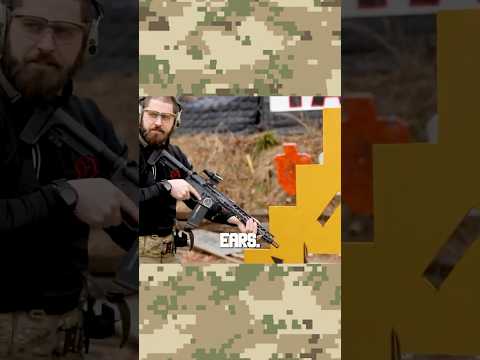
Disagreements in the Tactical and Firearms Industry

Published on October 21, 2021
Duration: 14:50

This video emphasizes the importance of understanding context in firearms training and discussions. Instructor Miles highlights that many industry disagreements stem from a failure to recognize different shooting paradigms, such as casual plinking, competitive shooting, and defensive scenarios. He argues that techniques valid in one context may be inappropriate or even detrimental in another, advocating for a nuanced approach based on the specific situation and background of the speaker.

Quick Summary

Many firearms industry disagreements arise from 'institutional inbreeding,' a focus on techniques over principles, and a reluctance to learn. Understanding the context of shooting—casual, competitive, or defensive—is crucial, as techniques valid in one scenario may be inappropriate in another. Recognizing the speaker's background (military, LE, civilian) also clarifies differing approaches to tactics like scanning after engagement.

Chapters

  1. 00:00Introduction: Industry Disagreements
  2. 00:14The Problem: Endless Debates
  3. 01:24Trend 1: Institutional Inbreeding
  4. 02:17Trend 2: Technique vs. Principles
  5. 03:15Trend 3: Shooters Who Stop Learning
  6. 04:09The Solution: Understanding Context
  7. 04:44Context 1: Casual Plinking
  8. 05:14Context 2: Static Range Practice with Pressure
  9. 05:41Context 3: Dynamic/Competitive Shooting
  10. 06:00Context 4: Defensive/Tactical Shooting
  11. 06:35Defensive Contexts: Military, LE, Civilian
  12. 07:46Example: Casual vs. Competition Grip
  13. 09:30Defensive Context: Scan & Follow-Through
  14. 10:35Military vs. Civilian Scan Techniques
  15. 11:14Military Room Clearing Context
  16. 11:52Civilian Context: Avoiding Flagging
  17. 13:24Importance of Contextual Understanding
  18. 13:36Example: Sights vs. Target Focus
  19. 14:13Conclusion: Save Frustration

Frequently Asked Questions

Why are there so many disagreements in the firearms industry?

Disagreements often stem from 'institutional inbreeding,' where individuals rigidly follow taught methods without questioning. Additionally, debates frequently arise from focusing on specific techniques rather than universal principles, and from shooters who stop learning and resist new ideas or improvements.

What are the main contexts for shooting discussed in firearms training?

The video outlines four primary contexts: casual plinking (no pressure, single shots), static range practice with some pressure (timed drills), competitive shooting (peak performance, speed, accuracy), and defensive/tactical shooting (military, LE, or civilian CCW).

How do military and civilian defensive shooting contexts differ?

Military contexts often prioritize immediate threat engagement with weapons kept ready, influencing scan techniques. Civilian CCW contexts focus on safety, avoiding flagging non-threats, and adapting to public spaces, leading to different approaches in weapon handling and scanning after an engagement.

What is the difference between shooting principles and techniques?

Principles are fundamental, universal truths in shooting, such as maximizing grip friction for control. Techniques are the specific actions or methods used to achieve those principles, like different hand placements for a two-handed grip, which can vary based on context.

Related News

All News →

More Training & Techniques Videos You Might Like

More from Tactical Hyve

View all →