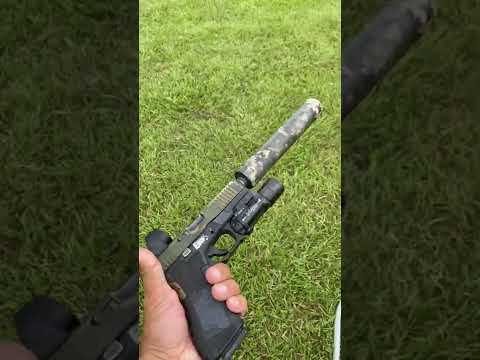
EVERY Capable Warrior Citizen NEEDS to be thinking about these issues!!

Published on January 13, 2025
Duration: 57:55

This video emphasizes proactive preparedness for capable citizens, focusing on advanced firearms training, personal infantry skills, and community building. Key areas include understanding threat responses like TICK (Troops in Contact), familiarizing oneself with non-traditional weapon systems, and practicing skills like distance shooting and out-of-bag deployments. The speaker, Eric, stresses the importance of community, intelligence gathering, and developing robust communication plans, all while maintaining honorable conduct and prioritizing family support.


Quick Summary

TICK response training (Troops in Contact) is essential for immediate reactions during initial engagements, focusing on rapid firearm deployment and transitioning between weapon systems. Familiarizing yourself with non-traditional weapon systems through manuals and ghost-motion drills, and practicing distance shooting with various optics are also key preparedness strategies.

Chapters

  1. 00:54Introduction & Channel Support
  2. 02:21Firearms Training & TICK Response
  3. 06:49Non-Traditional Weapon Systems
  4. 09:49Perimeter Devices & Early Warning
  5. 11:15Training on Different Distances
  6. 12:25Out-of-Bag Drills & Kit Integration
  7. 13:53Personal Infantry Skills
  8. 16:15Equipment & Community Gear
  9. 19:56Unit Breakdowns & Land Navigation
  10. 21:07Ranging Techniques
  11. 22:00Packing Your Ruck
  12. 23:00Radio Communications & Brevity
  13. 24:14Signaling Techniques
  14. 26:20Network Building & Intel Gathering
  15. 33:12Comms Checks & PACE Plans
  16. 35:06Group Equipment & Roles
  17. 38:16Family Support & Preparedness
  18. 43:01Marks of a True Christian & Honorable Man
  19. 50:30Vengeance, Peace, and Overcoming Evil
  20. 53:52Striving to be an Honorable Man

Frequently Asked Questions

What is TICK response training?

TICK response, standing for Troops in Contact, is a critical aspect of firearms training that focuses on immediate actions during initial engagements. It emphasizes rapid firearm deployment from a holster or other carry methods, and the ability to quickly transition between different weapon systems if necessary.

How can I learn about non-traditional weapon systems?

To learn about non-traditional weapon systems, you can study available manuals, often found online for free. Practicing 'ghost-motion' drills, which involve mentally or physically simulating the operation of these systems without live fire, can build familiarity and understanding.

What are effective signaling techniques for preparedness?

Effective signaling techniques include using VS7 panels for silent communication, signal mirrors for long-distance visibility during the day, and potentially boat flares for signaling at night. Establishing clear SOPs for their use ensures they are understood by your group.

Why is network building important for preparedness?

Network building is vital for preparedness as it fosters community and mutual support. Training classes and local gun clubs are excellent places to meet like-minded individuals, forming relationships that can provide collective security, shared resources, and assistance during challenging times.

What is the significance of the Ranger Handbook for preparedness?

The Ranger Handbook is a valuable resource for learning fundamental infantry skills, including hand signals, tactical formations like wedges and files, and ambush principles. It provides a solid foundation for individual preparedness and makes you a more capable asset to any group.

More from Barrel & Hatchet

View all →