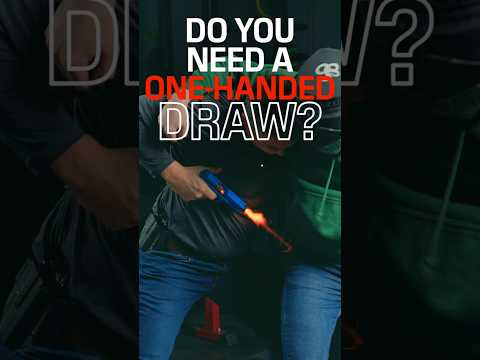
Everyday Carry | IWB Hip Carry

Published on November 27, 2017
Duration: 1:18

This guide details the proper technique for Inside the Waistband (IWB) hip carry, as demonstrated by a GLOCK instructor. It covers holster selection, optimal positioning (like the 4 o'clock), and emphasizes crucial safety protocols during the draw and re-holstering process. Proficiency is achieved through consistent practice of smooth movements while maintaining trigger finger discipline and muzzle awareness.

Quick Summary

Learn expert Inside the Waistband (IWB) hip carry techniques from a GLOCK instructor. This method involves wearing the holster inside the pants, often at the 4 o'clock position. Key safety protocols include maintaining trigger finger discipline and muzzle awareness during drawing and re-holstering for safe everyday concealed carry.

Chapters

  1. 00:00Introduction to IWB Carry
  2. 00:21Holster Fit and Positioning
  3. 00:42Drawing and Re-holstering Practice
  4. 01:01Firearm Safety Emphasis

Frequently Asked Questions

What is the recommended position for Inside the Waistband (IWB) hip carry?

The 4 o'clock position is a popular and effective location for IWB hip carry, offering a balance of accessibility and concealment for many individuals. Other positions like appendix carry are also viable depending on personal preference and body type.

What are the key safety rules for drawing and re-holstering a firearm?

Always keep your finger off the trigger until you are ready to fire. Maintain muzzle discipline by always pointing the firearm in a safe direction, especially during the draw and re-holster process. Ensure your holster provides a secure fit.

Why is a custom-molded holster important for IWB carry?

A custom-molded holster ensures a snug and secure fit for your specific firearm model. This prevents the pistol from shifting or falling out, enhances retention, and facilitates a smoother, more consistent draw and re-holstering process.

How can I improve my proficiency with IWB carry?

Consistent practice is key. Focus on smooth, controlled movements during your draw and re-holstering. Practice in front of a mirror or record yourself to identify areas for improvement in your technique and safety adherence.

Related News

All News →

More Training & Techniques Videos You Might Like

More from GLOCK, Inc.

View all →