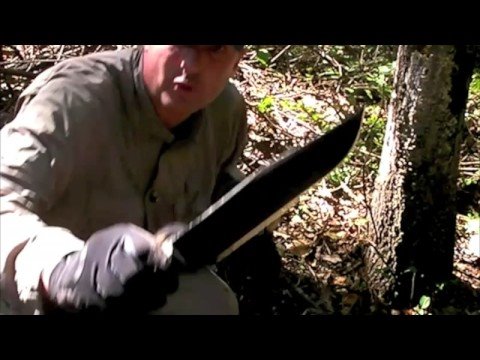
Fire Starting in the Rain and in Wet Weather

Published on August 21, 2020
Duration: 16:21

This guide details how to build a fire in wet and rainy conditions, emphasizing the importance of finding dry tinder and kindling. It covers techniques like batoning and feather sticking with a knife to prepare fuel, creating a fire platform, and gradually building the fire from small shavings to larger logs. The instruction highlights the need for constant tending and airflow to maintain the flame in challenging weather.


Quick Summary

To start a fire in the rain, prioritize finding standing dead wood, especially from cedar, and use batoning with a knife to access its dry inner core for tinder and feather sticks. Test wood by listening for a snap when breaking it. Essential tools include a knife and a reliable lighter or waterproof matches, with accelerants like Vaseline-soaked cotton balls being highly beneficial.

Chapters

  1. 00:00Introduction: Fire in Wet Conditions
  2. 00:10The Importance of Fire for Survival
  3. 00:52Essential Tools: Knife and Lighter
  4. 01:35Fire Starting Kit Essentials
  5. 02:12Finding Dry Wood in Wet Weather
  6. 02:44Preparing Tinder: Shavings and Feather Sticks
  7. 03:46Batoning Wood with a Knife
  8. 04:22Creating Feather Sticks
  9. 04:44Keeping Tinder Dry
  10. 05:26Building a Fire Platform
  11. 05:48Igniting the Tinder
  12. 06:15Feeding the Flame and Airflow
  13. 06:38Building the Fire Structure
  14. 07:15Drying and Adding Larger Sticks
  15. 07:41Maintaining the Fire
  16. 08:14Fire on Dry Ground and Tending
  17. 08:30Conclusion: Successful Fire in Wet Conditions

Frequently Asked Questions

What are the essential tools for starting a fire in the rain?

For starting a fire in the rain, you'll need a reliable knife for preparing tinder and kindling, and a dependable ignition source like a Bic lighter, a torch lighter, or waterproof matches. Carrying a dedicated fire kit with accelerants like Vaseline-soaked cotton balls or tinder tabs is also highly recommended for increased success rates.

How can I find dry wood when everything is wet?

Look for standing dead wood, especially from cedar trees, as the inner core is often dry. Test wood by breaking it; a sharp snap indicates dryness, while a dull thud suggests moisture or rot. Fatwood from dead pines and birch bark are also excellent, naturally water-resistant fire-starting materials.

What is batoning and why is it important for fire starting in wet conditions?

Batoning is a technique where you use a knife to split wood by striking the spine of the blade with another piece of wood or a mallet. This is crucial in wet weather because it allows you to access the dry, inner core of logs and branches that are saturated on the outside, providing essential dry material for tinder and kindling.

How do I prepare tinder for a fire in wet weather?

To prepare tinder in wet conditions, use your knife to create fine shavings or feather sticks from the driest wood you can find, ideally from the inner core accessed via batoning. Collect all these fine shavings, as they are highly flammable and crucial for catching the initial spark or flame.

More Training & Techniques Videos You Might Like

More from SensiblePrepper

View all →