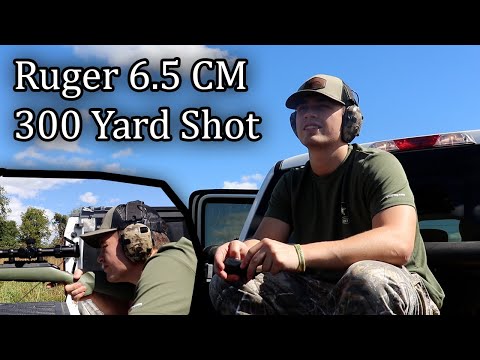
First Range Day With New Rifle (Outlier Backdraft 6.5 Creedmoor)

Published on August 28, 2025
Duration: 20:57

This video provides a comprehensive guide for a first range day with a new precision rifle, focusing on establishing a solid foundation for long-range shooting. The instructor emphasizes setting clear objectives, ensuring rifle stability, and systematically gathering data. Key steps include initial zeroing at closer distances, refining the zero at 100 yards, testing ammunition for consistency, and verifying scope tracking. The content is presented by TA Targets, aiming to equip viewers with the knowledge to avoid common mistakes and build confidence with their new firearm.

Quick Summary

For a new precision rifle's first range day, focus on getting a feel for the firearm, testing ammunition, establishing an accurate zero at 100 yards, and gathering extensive velocity data with a chronograph. This systematic approach ensures you build a reliable foundation for long-range shooting.

Chapters

  1. 00:00Introduction: New Rifle Range Day Goals
  2. 01:07Importance of Range Day Objectives
  3. 01:38Objective 1: Get a Feel for the Rifle
  4. 02:33Objective 2: Test Ammunition & Establish Rough Zero
  5. 03:35Objective 3: Look for Inconsistencies
  6. 04:20Objective 4: Establish a Solid Zero
  7. 04:45Objective 5: Gather Velocity Data
  8. 05:28Building a Foundation: Rifle Stability
  9. 06:05Impact of Trigger Pull on Accuracy
  10. 06:35Eliminating Variables for Accurate Data
  11. 07:02Mistake: Approximating 100 Yards
  12. 07:28Zeroing Process: Starting at 30 Yards
  13. 08:03Rough Adjustments with Turrets
  14. 08:54What a Proper Zero Looks Like
  15. 09:33Garmin Chronograph: Gathering Velocity Data
  16. 10:02Analyzing Velocity Data: Standard Deviation
  17. 11:48Understanding an Acceptable Zero
  18. 13:14Example of an Acceptable Group
  19. 14:10Scope Tracking Drill
  20. 16:52Successful Range Day Takeaways
  21. 17:04What to Do Next: Drills and Skill Development
  22. 18:13Integrating Steel Targets
  23. 19:38Conclusion & Viewer Engagement

Frequently Asked Questions

What are the key objectives for a first range day with a new precision rifle?

The primary objectives are to get a feel for the rifle's handling and ergonomics, test different ammunition types to see what it prefers, establish an accurate zero, and gather crucial velocity data using a chronograph for future ballistic calculations.

How should I approach zeroing a new precision rifle?

Start by verifying your distance to the target. Begin zeroing at a closer range like 30 yards to make initial adjustments efficiently, then move to your primary zeroing distance (e.g., 100 yards) to refine the group and ensure it's precisely on your point of aim.

Why is collecting velocity data important on a first range day?

Collecting velocity data with a chronograph for numerous rounds helps determine ammunition consistency (standard deviation). This data is vital for accurate ballistic calculations, allowing you to 'true' your rifle for precise shots at longer distances.

What constitutes an acceptable zero for a precision rifle?

An acceptable zero means your group's center is precisely on your point of aim at your designated zero distance (e.g., 100 yards). Even small deviations can lead to significant misses at longer ranges, so precision is paramount.

What common mistakes should be avoided during a new rifle's first range day?

Avoid approximating distances, rushing the zeroing process, failing to verify scope adjustments after making them, and not gathering sufficient velocity data. Also, ensure you're not introducing shooter error by not maintaining a stable shooting platform.

Related News

All News →

More Training & Techniques Videos You Might Like

More from TA Targets

View all →