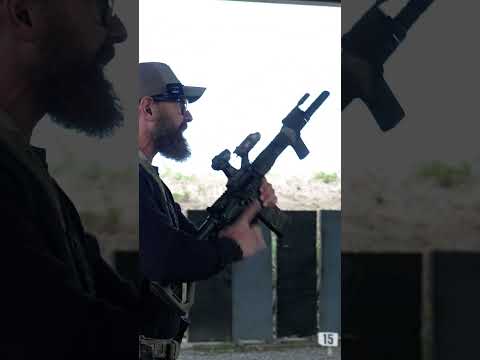
Fix ANY Gun JAM With These 7 Expert Tricks

Published on December 25, 2025
Duration: 10:13

This guide details seven expert techniques for clearing common firearm jams, applicable to handguns, rifles, and shotguns. It covers the 'Tap-Rack-Bang' for most issues, specific methods for stovepipes, double feeds, and stubborn jams using the 'Mortar Technique'. The guide also addresses dangerous squib loads and emphasizes preventative maintenance and troubleshooting faulty magazines or ammunition. Instruction is provided with a strong emphasis on safety.

Quick Summary

The 'Tap-Rack-Bang' is the most common fix for 90-95% of gun jams. It involves tapping the magazine, racking the slide to eject the bad round, and reassessing. For stovepipes, tilt the gun down and rack. Double feeds require locking the slide, removing the mag, and racking twice. Always prioritize safety and maintenance.

Chapters

  1. 00:00Introduction & Safety Disclaimer
  2. 00:55Trick 7: Tap-Rack-Bang
  3. 01:53Trick 6: Gravity Clears Stovepipes
  4. 02:41Trick 5: The Double Feed Nightmare
  5. 03:55Trick 4: The Mortar Technique
  6. 04:57Trick 3: The Squib Load Check
  7. 06:10Trick 2: Swap Magazines and Ammo
  8. 07:42Trick 1: Maintenance Magic

Frequently Asked Questions

What is the most common way to fix a gun jam?

The most common fix for 90-95% of gun jams is the 'Tap-Rack-Bang' technique. This involves firmly tapping the magazine to ensure it's seated, racking the slide to eject the faulty round, and then reassessing or firing. Always wait 60 seconds if you heard a click, as it could be a hangfire.

How do you clear a stovepipe jam in a firearm?

A stovepipe jam occurs when a spent casing gets stuck vertically. To clear it, tilt the firearm so the ejection port faces downwards and rack the slide. This allows gravity to help eject the obstruction. Limp-wristing is a common cause of this type of malfunction.

What is a squib load and how do you fix it?

A squib load is a dangerous malfunction where a bullet lodges in the barrel, often indicated by a weak 'pop' and reduced recoil. Immediately stop firing, unload the firearm, disassemble it, and use a cleaning rod to carefully push the bullet out of the barrel.

Besides clearing techniques, what else can cause gun jams?

Faulty magazines, such as those with worn feed lips or weak springs, and poor-quality ammunition are common causes of persistent firearm jams. Swapping these components can often resolve reliability issues.

More Training & Techniques Videos You Might Like

More from Guns You Can't Live Without

View all →