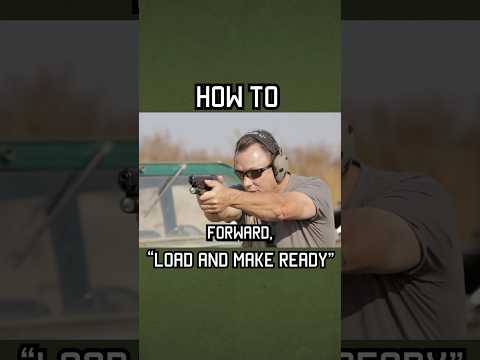
Frank Proctor Performance Carbine - Deliberate Load

Published on September 7, 2013
Duration: 6:21

This expert-level guide from Frank Proctor details the deliberate load procedure for a carbine, emphasizing weapon control and positive manipulation. It covers proper stance, bolt catch and charging handle operation, magazine insertion techniques, and the critical press check to ensure the firearm is in battery. The instruction highlights the importance of maintaining focus on the target while manipulating the weapon.

Quick Summary

The deliberate load procedure for a carbine involves assuming a solid stance, bringing the rifle to the target, operating the bolt catch and charging handle, performing a four-point check, and executing a positive magazine insertion. A critical step is the press check to confirm the firearm is in battery.

Chapters

  1. 00:09Sight Picture and Weapon Inspection
  2. 00:33Deliberate Load Procedure Overview
  3. 01:22Rifle Deliberate Load Steps
  4. 02:00Bolt Catch and Charging Handle Operation
  5. 02:24Visual Inspection and Lubrication
  6. 02:44Shooter's Box and Rifle Control
  7. 03:34Magazine Insertion Technique
  8. 04:33Magazine Seating and Bolt Lock Reload
  9. 04:54Press Check Procedure
  10. 05:57Confirming Battery and Final Checks

Frequently Asked Questions

What is the correct order for a deliberate load when carrying both a pistol and a rifle?

When carrying both a pistol and a rifle, the deliberate load procedure dictates loading the pistol first, then the rifle. This ensures the primary weapon, the rifle, is not forgotten during the process.

How do you properly operate the bolt catch on an AR-15 for a deliberate load?

To operate the bolt catch, make a V with your hand, reach forward to the mag well, and depress the bottom portion of the catch to release the bolt. This is often done after pulling the charging handle to the rear.

What is a press check and why is it important?

A press check involves pulling the charging handle back slightly to visually inspect the chamber for brass, confirming a round is chambered and the firearm is in battery. It's crucial for ensuring the weapon is ready to fire and preventing malfunctions.

What are the key elements of maintaining control of a carbine during manipulation?

Maintaining control involves using a high grip for leverage, pinning the rifle back to the body with the elbow, and keeping the target in focus while the rifle remains in peripheral vision after entering the shooter's box.

Related News

All News →

More Training & Techniques Videos You Might Like

More from SuperSetCA

View all →