Get Serious About Handgun Training Now | Gun Talk Radio

Published on January 11, 2021
Duration: 18:47

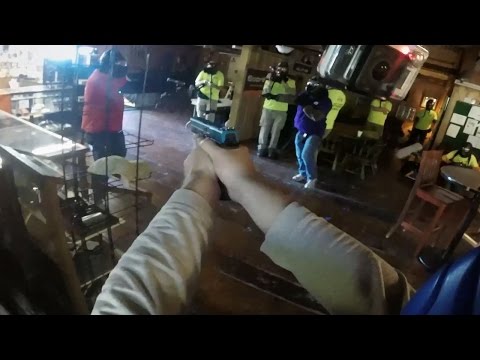
This video emphasizes a three-level approach to combative pistol craft, starting with essential skills like grip and trigger control, progressing to combative applications such as one-handed shooting and movement, and finally incorporating interactive elements like force-on-force training. Instructor Dave Spalding stresses that effective handgun training requires deliberate practice, often achievable through dry fire exercises at home, focusing on fundamentals before speed. The goal is not just survival but prevailing physically and psychologically.

Quick Summary

Combative pistol craft training involves three levels: mastering essentials like grip and trigger control, incorporating combative aspects like movement and one-handed shooting, and engaging in interactive elements such as force-on-force scenarios. Effective practice, often through dry fire, emphasizes mastering mechanics slowly before increasing speed to ensure proficiency and psychological preparedness for self-defense.

Chapters

  1. 00:04Intro: Gun Talk Radio Segment
  2. 00:16The Rise of New Gun Owners
  3. 00:33Concerns Driving Gun Purchases
  4. 00:43Misconceptions About Gun Ownership
  5. 00:51Experience vs. True Qualification
  6. 01:10Introducing Dave Spalding
  7. 01:30History Repeats Itself
  8. 02:01The Evil Man is Capable Of
  9. 02:31Examples of Extreme Evil
  10. 03:04The Protective Mechanism of Denial
  11. 03:30The Reality of Unexpected Threats
  12. 03:57What Students Don't Understand
  13. 04:41Comprehending True Evil
  14. 05:08Inability to Respond to Extreme Evil
  15. 05:29Reducing the Reactionary Gap
  16. 05:50Combative Application of the Handgun
  17. 06:27Psychological Survival
  18. 06:53Emotional Survival Post-Conflict
  19. 07:42From Carrying a Gun to Competence
  20. 08:07The CCW Permit Holder's Journey
  21. 08:35Three Levels of Combative Weapon Craft
  22. 08:45The Foundation: Essentials
  23. 09:29The Second Level: Combative Aspects
  24. 10:15The Third Level: Interactive Aspects
  25. 11:16Practicing Combative Skills
  26. 11:31The Process of Practice
  27. 11:42Dry Fire Practice Benefits
  28. 11:59What Requires Live Fire
  29. 12:22Overcoming Range Limitations
  30. 12:44Practicing Stoppages and Reloads
  31. 13:05Tiger McKee's Training Philosophy
  32. 13:31Real Carry Gun Practice Aids
  33. 13:51Practicing Unconventional Positions
  34. 14:12Practice Requires Work
  35. 14:22Daily Practice Commitment
  36. 14:32Example of Daily Practice
  37. 14:57Clearing Your House Practice
  38. 15:20Avoiding Spec Ops Fantasies
  39. 15:34Walter Mitty Syndrome
  40. 15:40Practicing Your Draw Stroke
  41. 16:04Smoothness Leads to Speed
  42. 16:11The Principle: Slow to Go Fast
  43. 16:30Athletic Skill Development Principles
  44. 17:36Drawing a Pistol from a Holster
  45. 17:41The Value of Real-World Training
  46. 18:03Not All Training is Combative
  47. 18:12Finding a True Teacher
  48. 18:36Dave Spalding's Contact Info

Frequently Asked Questions

What are the three levels of combative pistol craft training?

Combative pistol craft training progresses through three levels: first, mastering the essentials like grip, trigger control, and drawing; second, incorporating combative aspects such as one-handed shooting and movement; and third, adding interactive elements like force-on-force scenarios and judgment-based drills.

How can individuals practice handgun skills without live fire?

A significant portion of combative pistol craft skills can be practiced through dry fire exercises at home. This includes practicing draw strokes, malfunction clearances, reloads (with dummy rounds), and movement, utilizing tools like laser trainers or blue guns.

Why is psychological preparedness important in self-defense training?

Psychological preparedness is crucial because surviving a violent encounter involves not only prevailing physically but also mentally. Individuals must be able to return to their lives psychologically intact, similar to how combat veterans cope with post-traumatic stress.

What is the principle of 'slow to go fast' in firearms training?

The 'slow to go fast' principle, derived from athletic training, means mastering the mechanics of a skill at a very slow pace to ensure correctness before gradually increasing speed. This builds a solid foundation for efficient and accurate performance under pressure.

Related News

All News →

More Training & Techniques Videos You Might Like

More from Gun Talk Media

View all →