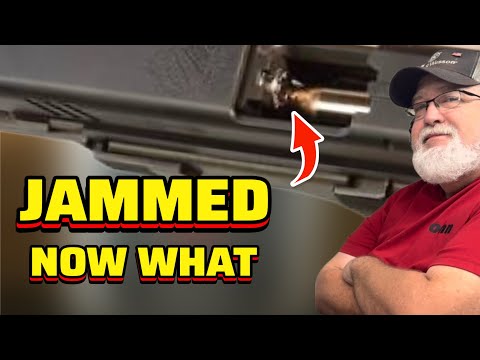
Glock Limp Wrist Failure in Slow Motion

Published on March 16, 2013
Duration: 1:12

This video from Military Arms Channel provides an expert-level analysis of Glock limp wrist malfunctions using 1000 FPS slow-motion footage. Instructor Tim demonstrates how a loose grip impedes the slide's cycling, leading to failures to feed and eject. The content serves as a valuable training resource for understanding and correcting shooter-induced malfunctions, emphasizing the importance of a firm grip for reliable firearm operation.

Quick Summary

Military Arms Channel explains Glock limp wrist malfunctions using 1000 FPS slow-motion. A limp wrist absorbs recoil needed for slide cycling, causing failures to feed or eject. Proper technique involves a firm grip to ensure the slide travels fully rearward, clearing spent casings and chambering new rounds reliably.

Chapters

  1. 00:00Introduction: Glock Limp Wrist Malfunction
  2. 00:05Demonstration: Loose Grip Technique
  3. 00:16Explanation: Failure to Feed Mechanics
  4. 00:33Demonstration: Stovepipe Malfunction
  5. 00:44Analysis: Slide Velocity and Cycle Failure

Frequently Asked Questions

What is a limp wrist malfunction in a Glock pistol?

A limp wrist malfunction occurs when a shooter's grip is too loose, causing their wrist to absorb excessive recoil energy. This prevents the pistol's slide from cycling fully, leading to failures like the slide not going fully to the rear or failing to eject spent casings.

How does a limp wrist cause a failure to feed?

When a shooter limp wrists, the slide doesn't travel far enough back. It may not clear the spent casing or pick up the next round from the magazine, causing a failure to feed or a stovepipe malfunction.

What is the recommended solution for limp wristing?

The primary solution is to adopt a firm, consistent grip on the firearm. Ensure your wrist is stable and allows the pistol's recoil impulse to drive the slide fully rearward for proper cycling.

Why is slow-motion footage useful for diagnosing malfunctions?

High-speed, slow-motion footage (like 1000 FPS used here) allows viewers to see the precise mechanical actions of the firearm during a malfunction. This visual clarity helps in understanding exactly why a failure occurs, such as insufficient slide velocity or improper casing ejection.

Related News

All News →

More Training & Techniques Videos You Might Like

More from Military Arms Channel

View all →