Good training looks bad

Published on February 24, 2024
Duration: 4:49

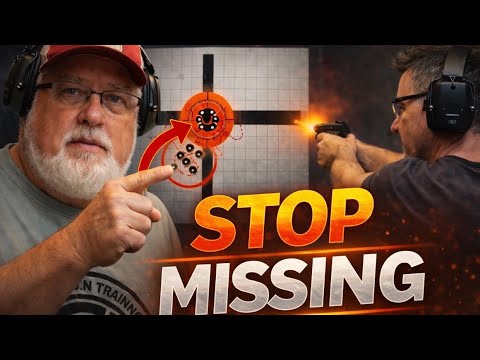
This training drill, led by Ben Stoeger, emphasizes the importance of making dry fire exercises realistic by intentionally replicating known live-fire errors. The core concept is to identify and correct issues like improper grip pressure during the draw and trigger press, and trigger control problems that cause shots to deviate. By focusing on tactile feedback from the hand and grip, shooters can improve their trigger manipulation and overall accuracy.

Quick Summary

Realistic dry fire practice means intentionally replicating live-fire errors to train through them. Focus on tactile feedback from your hand and grip pressure, rather than just visual aiming. Drills involving reacting to a tone and progressively increasing finger-off-trigger distance can improve trigger control and grip accountability.

Chapters

  1. 00:00Introduction to Realistic Dry Fire
  2. 00:13Why Good Dry Fire Looks Bad
  3. 00:21Grip Pressure and Draw Issues
  4. 01:18Trigger Control Drill with Tone
  5. 01:39Finger Position and Trigger Press
  6. 02:20Observing Muzzle Movement
  7. 02:32Diagnosing Left/Low Shots
  8. 03:02Assessing Drill Effectiveness
  9. 03:20Leaning into Errors for Improvement
  10. 03:30Increasing Drill Difficulty
  11. 03:44Alternative Starting Positions
  12. 04:21Focusing on Hand Muscles and Pressure

Frequently Asked Questions

How can I make my dry fire practice more effective?

Effective dry fire involves intentionally replicating problems you encounter in live fire, rather than just going through motions. Focus on tactile feedback, like grip pressure and trigger feel, and use tools like a timer to simulate real-world shooting scenarios and identify specific areas for improvement.

What is a common trigger control mistake during shooting?

A common trigger control mistake is 'smashing' the trigger after the sights are perceived to be aligned. This often results in pushing shots down. Practicing with a tone and focusing on a smooth, controlled press through the trigger, rather than a reaction, can help correct this.

How does grip pressure affect shooting accuracy?

Improper grip pressure, especially if it's inconsistent or applied too late during the shot, can significantly impact accuracy. During the draw and initial grip, avoid clamping down too hard. The focus should be on a firm, consistent grip that is maintained through the trigger press and recoil.

What should I focus on during a realistic dry fire drill?

During a realistic dry fire drill, shift your conscious focus from aiming to the tactile sensations in your dominant hand. Pay attention to the muscles in your hand and the pressure you are applying to the grip and trigger. This helps develop a more intuitive and controlled shooting process.

Related News

All News →

More Training & Techniques Videos You Might Like

More from Ben Stoeger

View all →