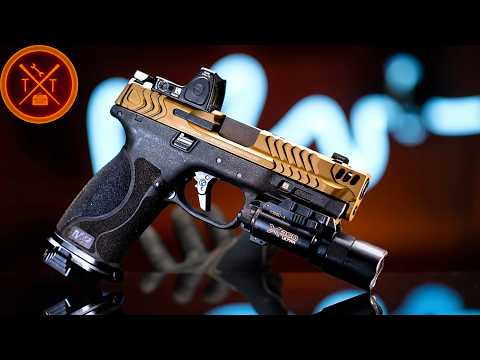
Hammer Fired 🔫 | Pros & Cons

Published on April 24, 2025
Duration: 1:23

This video discusses the pros and cons of hammer-fired handguns for concealed carry. The primary advantage highlighted is the crisp, single-action trigger break achievable with hammer-fired mechanisms, often superior to striker-fired triggers. However, a significant disadvantage is the necessity of using an external safety, which requires dedicated training to ensure proper engagement and disengagement under stress.

Quick Summary

Hammer-fired pistols offer a significant advantage in trigger quality, providing an extremely crisp single-action break with minimal travel. However, their primary disadvantage is the necessity of using an external safety, which requires dedicated training to ensure proper engagement and disengagement under stress.

Chapters

  1. 00:00Introduction to Concealed Carry Handguns
  2. 00:08Striker-Fired vs. Hammer-Fired Dominance
  3. 00:15Companies Making Hammer-Fired Options
  4. 00:21Advantages of Hammer-Fired Pistols
  5. 00:26Trigger Quality: Single Action Crispness
  6. 00:41Striker-Fired Trigger Limitations
  7. 00:48Disadvantages: Added Complexity & Safety
  8. 00:53Importance of External Safety
  9. 01:00Training for Safety Engagement/Disengagement
  10. 01:17Reliability and Expectation Management

Frequently Asked Questions

What is the main advantage of a hammer-fired pistol for concealed carry?

The primary advantage of a hammer-fired pistol is its trigger. In single-action mode, the trigger pull is exceptionally crisp with minimal travel and a good reset, often surpassing the feel of striker-fired triggers.

What is the biggest disadvantage of hammer-fired handguns for concealed carry?

The main disadvantage is the added complexity, specifically the requirement to use an external safety. This safety must be engaged when holstering and disengaged when drawing, which necessitates dedicated training to become muscle memory.

How does a hammer-fired trigger differ from a striker-fired trigger?

A hammer-fired trigger in single-action mode only drops the hammer, allowing for a very crisp break. Striker-fired triggers often have more travel and a less refined break because they also cock the striker.

Why is training around the external safety on a hammer-fired pistol important?

Engaging and disengaging an external safety is a fine motor skill. In a high-stress, life-or-death situation, this action must be ingrained through muscle memory to ensure reliable operation and prevent failures.

Related News

All News →

More Training & Techniques Videos You Might Like

More from Shark Coast Tactical

View all →