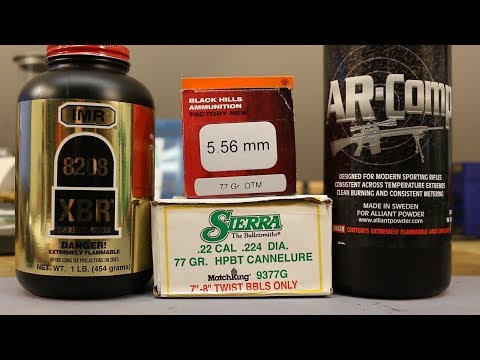
Handloading PART II Pressures and Headspace ~ GunBlue's Complete Guide

Published on February 28, 2016
Duration: 61:48

This guide emphasizes the critical importance of understanding and respecting firearm pressures and headspace during handloading. It warns against dangerous practices like pushing loads to the point of blown primers or difficult bolt lifts, highlighting the potential for firearm damage. The instructor stresses adhering to published load data, starting with reduced charges, and using incremental testing for safe load development. Proper headspace management and the avoidance of corrosive ammunition are also detailed as crucial safety measures for preventing catastrophic failures and preserving firearm integrity.

Quick Summary

Understanding firearm pressures and headspace is crucial for safe handloading. Always consult published load data, start with reduced charges, and observe for pressure signs like primer flattening. Never use corrosive primers or ammunition in modern firearms, and avoid firing 5.56 NATO in .223 chambers due to dangerous pressure differences.

Chapters

  1. 00:00Introduction to Pressures and Headspace
  2. 00:24Significance of Pressure in Firearms
  3. 01:45Misconceptions About Pressure Signs
  4. 02:22The Danger of Blown Primers
  5. 04:14What Pressure Signs to Avoid
  6. 05:06Primer Flattening as a Pressure Indicator
  7. 06:39Safe Pressure Levels and Case Life
  8. 07:15Why Excessive Pressure is Detrimental
  9. 08:07Velocity vs. Practical Gains
  10. 09:09Adhering to Published Data
  11. 09:21Sources for Reloading Data
  12. 10:36Starting with a 10% Reduction
  13. 11:08Shotgun Shell Loads Safety
  14. 12:18Smokeless Powder Cartridges
  15. 12:28Example: .30-06 Load Workup
  16. 13:43Incremental Testing (Ladder Test)
  17. 14:42Barrel Harmonics and Accuracy
  18. 17:23Avoiding Internet Load Data
  19. 19:29Comprehensive Reloading Manuals
  20. 24:245.56 NATO vs. .223 Remington
  21. 29:46Ruger Mini-14 Ammunition Compatibility
  22. 35:01Understanding Headspace
  23. 36:15Types of Headspace: Rimfire
  24. 36:39Headspace Measurement Reference
  25. 37:00Rimmed vs. Rimless Cartridges
  26. 38:14The Datm Line
  27. 38:44Go, No-Go, and Field Gauges
  28. 39:01Headspace Tolerance
  29. 39:49Problems with Excessive Headspace
  30. 41:06Case Expansion and Sealing
  31. 42:20The Pressure Ring
  32. 43:28Primer Flattening Mechanism
  33. 44:06Danger of Ruptured Primers/Cases
  34. 44:31Avoiding Corrosive Ammunition
  35. 46:14Dangers of Reloading Corrosive Brass
  36. 48:32Headspace: Mouth of Case
  37. 49:52Headspace: Belted Magnum
  38. 50:40Issues with Belted Magnums
  39. 53:09Importance of Reloading Manuals
  40. 55:20Interpreting Load Data Variables
  41. 58:58Bullet Seating Depth and Rifling
  42. 60:39Concentricity and Ammunition Quality
  43. 61:02Conclusion: Safe and Practical Loading

Frequently Asked Questions

What are the primary dangers of exceeding safe firearm pressures when handloading?

Exceeding safe firearm pressures during handloading can lead to catastrophic failures. This includes blown primers that can damage the firearm's bolt and action, case head separation, and potentially a ruptured case. These events can cause significant damage to the firearm and pose a serious risk of injury to the shooter.

How can I determine safe pressure levels when handloading ammunition?

The safest way to determine safe pressure levels is to strictly adhere to published load data from reputable sources like powder manufacturers and reloading manuals. Always start with a 10% reduction from maximum listed loads and use incremental testing. Observe primer appearance (flattening is a sign of high pressure) and bolt lift; avoid any signs of excessive pressure.

What is headspace, and why is it important in firearms?

Headspace is the critical dimension that prevents a cartridge from moving too far forward in the chamber. It ensures the cartridge is properly positioned for ignition and extraction. Incorrect headspace, either too tight or too loose, can lead to malfunctions, case ruptures, or damage to the firearm.

Can I use 5.56 NATO ammunition in a .223 Remington rifle?

No, you should not fire 5.56 NATO ammunition in a .223 Remington chamber. NATO cartridges operate at significantly higher pressures than .223 Remington. While dimensions may seem similar, the chambers are designed differently, and using 5.56 NATO in a .223 chamber can lead to dangerous over-pressurization and firearm damage.

What are the risks associated with using corrosive primers in reloading?

Corrosive primers contain salts that, when fired, leave residues that can permanently damage firearm barrels and chambers. These residues can cause rapid corrosion, etching, and crystallization, leading to reduced accuracy, extraction problems, and ultimately, a ruined bore. It is strongly advised to use modern non-corrosive primers exclusively.

More Training & Techniques Videos You Might Like

More from GunBlue490

View all →