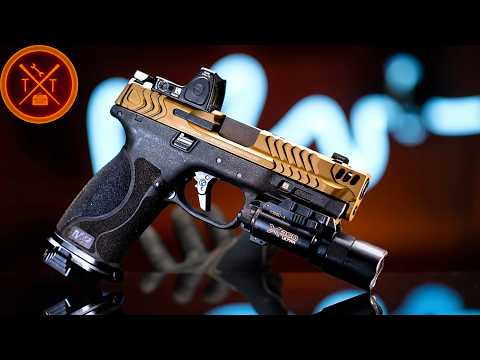
Helping Choose between Pistols - I'm basically useless

Published on October 19, 2025
Duration: 15:35

This video provides a comprehensive guide to selecting a pistol by breaking down key considerations beyond just brand or model. It emphasizes understanding personal needs, including intended use (recreational, self-defense, home defense), hand fit, and how the gun feels. The instructor highlights the impact of firearm weight on shootability and carry comfort, the prevalence and benefits of 9mm ammunition, and the nuanced role of trigger quality versus grip and recoil management. It also covers the importance of optic cuts, holster availability, and the pros and cons of ported or compensated firearms.

Quick Summary

When choosing a pistol, consider its intended use: recreational, self-defense, or home defense. Weight significantly impacts shootability and carry comfort, with heavier guns being smoother and lighter ones easier to conceal. While trigger quality is important, consistent grip and recoil management are more critical for accuracy. 9mm is the dominant caliber for its balance of cost, performance, and capacity.

Chapters

  1. 00:00Introduction: Why Choosing a Pistol is Personal
  2. 00:40Pistol Categories: Range Toy vs. Self-Defense vs. Home Defense
  3. 01:55The Impact of Handgun Weight on Shootability and Carry
  4. 03:39The Dominance of 9mm Ammunition
  5. 04:50Understanding Pistol Triggers: What Really Matters
  6. 06:13Single-Action Only (SAO) Triggers
  7. 06:56Double-Action/Single-Action (DA/SA) Triggers
  8. 07:42Striker-Fired Triggers: Consistency and Simplicity
  9. 09:08Handgun Fit and Ergonomics: The Deciding Factor
  10. 10:30Optic Cuts for Red Dot Sights
  11. 10:56High-Volume Shooting and Firearm Durability
  12. 11:50The Importance of the Holster Market
  13. 12:28Ported Guns and Compensators: Pros and Cons
  14. 14:57Intangibles: Cool Factor and Personal Preference
  15. 15:20Conclusion: Making Your Final Decision

Frequently Asked Questions

What are the main categories of pistols to consider when buying?

Pistols generally fall into three categories: recreational 'range toys' designed for comfort and shootability, self-defense pistols optimized for concealability and reliability, and home defense guns that balance shootability with safety features like lights.

How does the weight of a pistol affect its performance and carry?

Heavier pistols (35-45 oz) tend to shoot more smoothly and are easier to control, while lighter pistols (20-22 oz) are easier to carry concealed but can be snappier. Weight is a critical factor for both shootability and daily carry comfort.

Is trigger quality the most important factor when choosing a pistol?

No, trigger quality is often overemphasized. A consistent grip and effective recoil management are more crucial for accurate shooting under stress than having the absolute best trigger. For many, a consistent striker-fired trigger is sufficient.

What are the advantages of 9mm ammunition for most pistol owners?

9mm is the most popular pistol caliber due to its affordability for high-volume shooting, effective defensive loadings, moderate recoil, excellent magazine capacity, and the vast selection of firearms chambered in it, making it ideal for recreational, self-defense, and duty use.

Should I consider ported or compensated firearms for home defense?

It's generally not recommended. Ported or compensated firearms significantly increase concussion and noise, especially in enclosed spaces like homes or cars, making them uncomfortable and potentially dangerous to shoot without hearing protection. They also require more maintenance.

Related News

All News →

More Training & Techniques Videos You Might Like

More from TheHumbleMarksman

View all →