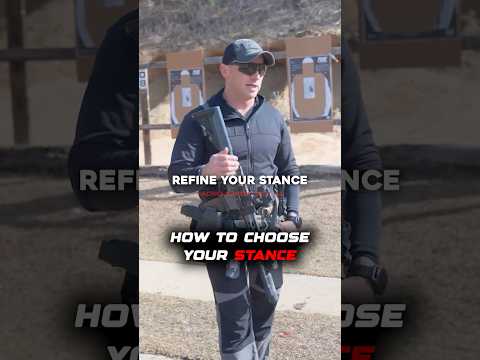
High Ready Rifle Presentation with Retired Navy SEAL Greg Hake

Published on July 13, 2019
Duration: 11:02

Retired Navy SEAL Greg Hake demonstrates the high ready rifle presentation, emphasizing consistent mechanics across distances and a high grip for safety manipulation. He advises against over-gripping and suggests canting the weapon for optics and clearing gear. The technique prioritizes efficiency and adaptability in tactical scenarios.

Quick Summary

Retired Navy SEAL Greg Hake advocates for the high ready rifle presentation, emphasizing consistent mechanics across distances and a high grip for safety manipulation. He advises against over-gripping and suggests canting the weapon for optics and clearing gear, prioritizing efficiency and adaptability.

Chapters

  1. 00:00Introduction: Navy SEAL Greg Hake & High Ready
  2. 00:49Grip and Hand Placement for Control
  3. 02:18Weapon Positioning and Field of View
  4. 03:24Consistent Presentation Across Distances
  5. 04:09Safety Manipulation and Presentation Technique
  6. 05:29Canting for Optics and Night Vision
  7. 06:25High Ready vs. Low Ready Advantages
  8. 07:33The Three-Quarter Rule for Accuracy
  9. 08:28Early Engagement in High-Threat Situations
  10. 09:11Clearing Tactical Gear with Cant

Frequently Asked Questions

What is the 'three-quarter rule' in rifle presentation?

The 'three-quarter rule' suggests moving at maximum speed for the first 75% of the rifle presentation, then slowing down significantly for the final 25% to ensure a stable sight picture and avoid overshooting the target.

Why does Greg Hake recommend a high grip on the pistol grip?

A high grip allows for easier and quicker manipulation of the safety selector with the thumb, regardless of hand size, contributing to a more efficient and controlled weapon presentation.

What are the benefits of canting the rifle during presentation?

Canting the rifle helps bring the sights to the shooter's eye, facilitates a seamless transition to using night vision optics, and aids in clearing tactical gear like plate carriers and communication equipment without snagging.

How does the high ready technique differ from low ready?

The high ready position keeps the rifle closer to the body and ready for immediate engagement, offering efficiency and versatility in tactical environments without relying on body reference points like the low ready.

Related News

All News →

More Training & Techniques Videos You Might Like

More from Tactical Hyve

View all →