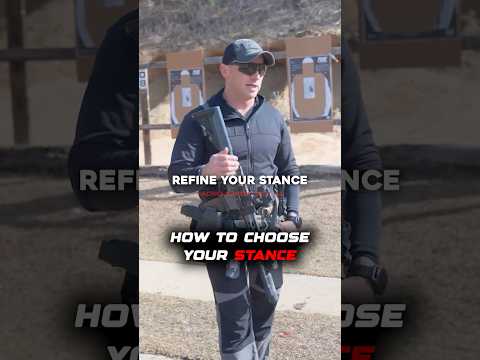
High Ready Rifle Presentation with Retired Navy SEAL Greg Hake

Published on July 13, 2019
Duration: 11:02

This guide details the high ready rifle presentation technique as demonstrated by retired Navy SEAL Greg Hake. It emphasizes efficient weapon handling, proper grip, and sight acquisition for tactical scenarios. The technique focuses on driving the weapon with the support hand, maintaining situational awareness, and adapting to various engagement distances and conditions, including the use of night vision.

Quick Summary

Retired Navy SEAL Greg Hake teaches the high ready rifle presentation, emphasizing driving the weapon with the support hand and a high grip for safety manipulation. He advises bringing the rifle to the head, using a slight cant for optics, and applying the 'three-quarter rule' for controlled speed and accuracy.

Chapters

  1. 00:00Introduction to High Ready
  2. 00:49Grip and Hand Placement
  3. 02:18Weapon Positioning and Field of View
  4. 03:24Consistency Across Distances
  5. 04:09Safety Manipulation and Presentation
  6. 05:29Canting for Optics and Night Vision
  7. 06:25High Ready vs. Low Ready
  8. 07:33The Three-Quarter Rule
  9. 08:28Early Engagement
  10. 09:11Clearing Tactical Gear

Frequently Asked Questions

What is the 'three-quarter rule' in rifle presentation?

The 'three-quarter rule' suggests moving at maximum speed for the first 75% of your rifle presentation, then slowing down significantly for the final 25% to ensure a precise and stable sight picture without overshooting the target.

Why does Greg Hake prefer the high ready position?

Retired Navy SEAL Greg Hake prefers the high ready position for its efficiency and because it lacks specific body reference points, making it a more versatile and adaptable technique for various tactical environments compared to the low ready.

How does canting the rifle benefit the shooter?

Canting the rifle slightly during presentation helps align the sights with the shooter's eye more naturally and facilitates a smoother transition to using night vision optics without needing to adjust the fundamental shooting posture.

What is a key safety and accuracy tip regarding grip?

Avoid an over-grip or 'death grip' on the firearm. This can lead to trigger jerk and reduced accuracy, particularly at closer engagement distances. A firm but controlled grip is recommended.

More Training & Techniques Videos You Might Like

More from Tactical Hyve

View all →