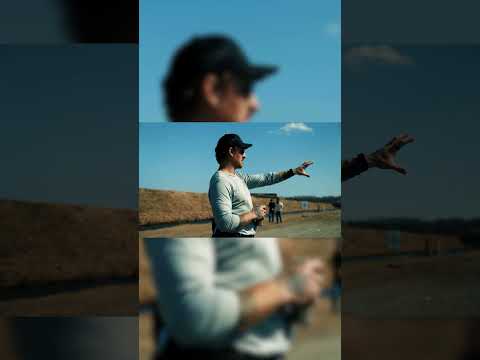
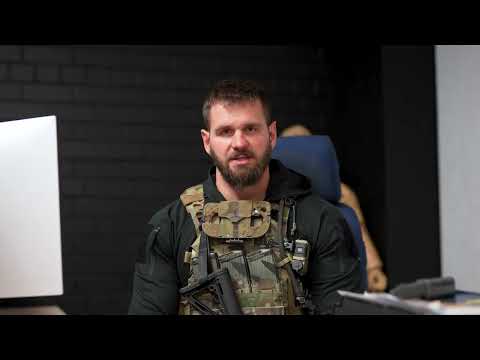
HOLD OVERS MATTERS

Published on January 20, 2026
Duration: 1:48

This guide details the critical concept of bore offset and holdovers for close-quarters shooting, drawing on expert instruction from GBRS Group. It explains how the physical distance between the optic and barrel affects bullet impact at close ranges and provides practical techniques for compensation, including a specific 8-inch holdover example. The instruction emphasizes avoiding common errors like 'milking' shots and offers methods for practicing headshots and consistent accuracy in CQB scenarios.

Quick Summary

Master close-quarters shooting by understanding bore offset, the distance between your optic and barrel. At close ranges, you must 'hold over' the target, aiming higher to compensate for bullet drop relative to your sight line. Avoid 'milking the shot' by firing too early; instead, practice consistent presentation and know your specific holdover requirements for accurate hits.

Chapters

  1. 00:00Understanding Bore Offset
  2. 00:16The 8-Inch Holdover Rule
  3. 00:36Headshot Holdovers and Drills

Frequently Asked Questions

What is bore offset and why is it important for shooting?

Bore offset is the physical distance between the center of your firearm's barrel and the center of your optic's line of sight. At close ranges, this offset means your bullet will impact lower than where your optic is aimed, requiring you to 'hold over' the target.

How do you compensate for bore offset in close-quarters combat (CQB)?

To compensate for bore offset in CQB, you must consciously aim higher than your intended impact point – this is known as 'holding over'. The exact amount of holdover depends on your specific firearm setup, optic height, and the engagement distance.

What is the danger of 'milking the shot' when shooting?

'Milking the shot' is firing your weapon the instant the aiming point appears on target without establishing a complete sight picture. This common error often results in low hits because the shooter hasn't properly accounted for bore offset or allowed the sight picture to stabilize.

What is the purpose of a high-rise optic mount like the GBRS Hydra?

High-rise optic mounts, such as the GBRS Hydra, elevate the red dot sight on an AR-15 platform. This allows for a more natural, heads-up shooting posture, which can improve target acquisition speed and comfort, especially during dynamic shooting scenarios.

Related News

All News →

More Training & Techniques Videos You Might Like

More from GBRS Group

View all →