Hospital Patient With Warrant Shoots At Officers

Published on June 25, 2024
Duration: 24:07

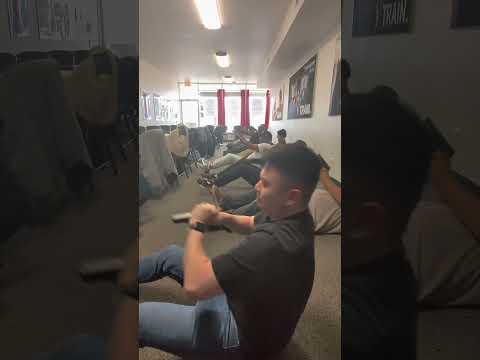
This guide details how to clear a common semi-automatic pistol malfunction, specifically a failure to eject (stovepipe or double feed), as demonstrated by John Correia from Active Self Protection. It emphasizes a methodical approach, including visual inspection and the 'rip and work' technique for clearing complex malfunctions. The instruction highlights the importance of proper grip and slide manipulation during the clearing process.

Quick Summary

In a hospital shooting incident, a semi-automatic pistol malfunction occurred due to user-induced grip interference with the slide cycle. A Taser X2 deployed in drive-stun mode failed to incapacitate the suspect, highlighting the difference between pain compliance and neuromuscular incapacitation (NMI). Experts stressed immediate hand control during frisks to prevent weapon access.

Chapters

  1. 00:00Introduction and Sponsor
  2. 00:44Incident Background
  3. 01:14The Frisk and Initial Struggle
  4. 03:11Shots Fired and Standoff
  5. 07:51Final Engagement
  6. 08:53Analysis: Search and Hand Control
  7. 11:36Analysis: Taser Deployment
  8. 15:01Analysis: Malfunction Clearance
  9. 18:30Analysis: Tactical Coordination

Frequently Asked Questions

What caused the pistol malfunction in the hospital shooting incident?

The pistol malfunction, identified as a failure to eject (stovepipe/double feed), was attributed to user-induced grip interference with the slide cycle during the struggle. This prevented the proper expulsion of a spent casing.

Why did the Taser deployment fail to incapacitate the suspect?

The Taser was deployed in drive-stun mode, which relies on pain compliance rather than neuromuscular incapacitation (NMI). This method is less effective against motivated individuals and did not stop the suspect's actions.

What tactical advice is given regarding frisks in high-stress situations?

Experts emphasize the critical importance of immediate hand control during a frisk, such as interlacing fingers on the suspect's head, to prevent them from accessing concealed weapons and escalating the confrontation.

How can a 'failure to eject' malfunction be cleared from a semi-automatic pistol?

Clearing this malfunction typically involves locking the slide to the rear, visually inspecting the ejection port, and manipulating the slide to clear the obstruction. A 'rip and work' technique may be used for complex jams.

More Training & Techniques Videos You Might Like

More from Active Self Protection

View all →