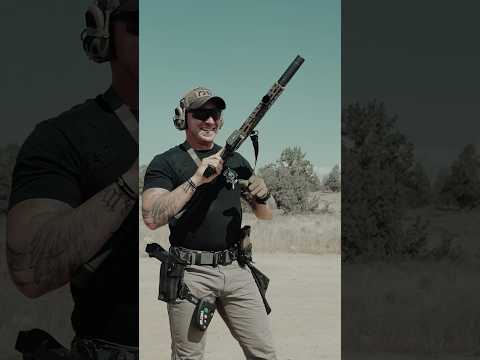
How Paul Costa Grips His Pistol

Published on May 14, 2025
Duration: 6:24

Paul Costa emphasizes a technique for pistol grips that prioritizes leverage and minimal muscular strength to ensure consistency and reduce fatigue during extended shooting. By locking the fingers into the palm and biting into the rear of the grip with the palm, a stable and durable hold is achieved. This method aims to allow for faster trigger manipulation and predictable firearm behavior.

Quick Summary

Paul Costa's pistol grip technique emphasizes using minimal muscular strength by employing leverage. He likens the grip pressure to holding a can of soda – secure but not crushing. By locking fingers into the palm to create a 'clamshell' and biting into the rear of the grip with the palm, a stable hold is achieved without side pressure.

Chapters

  1. 00:14Introduction to Grip Philosophy
  2. 00:24Minimizing Muscular Strength
  3. 01:27The 'Can of Soda' Grip Analogy
  4. 02:26Locking Fingers for Leverage
  5. 03:05Creating the 'Clamshell' Grip
  6. 03:26Avoiding Side Pressure
  7. 03:38Biting into the Rear Grip
  8. 04:06High Backstrap Placement
  9. 04:23Maintaining a Locked Wrist
  10. 04:50Support Hand Considerations
  11. 05:24Grip Confirmation Cue

Frequently Asked Questions

What is the primary principle behind Paul Costa's pistol grip technique?

Paul Costa's primary principle is to use the least amount of muscular strength possible. He advocates for a grip that relies on leverage and bone structure rather than brute force, which helps maintain consistency and reduce fatigue during shooting.

How does Paul Costa describe the ideal pressure for a pistol grip?

He likens the ideal grip pressure to holding a can of soda: firm enough to prevent it from falling or spilling, but not so tight that it would crush the can. This ensures a secure hold without unnecessary tension.

What is the 'clamshell' grip technique?

The 'clamshell' grip involves locking the fingers of the firing hand into the palm. This creates a stable base that, when rolled back into the hand, naturally tightens the grip on the firearm through leverage, not muscular effort.

Why is avoiding pressure on the sides of the gun important?

Applying pressure to the sides of the gun can cause deviations left and right due to subtle changes in that pressure. Costa advises focusing pressure on the rear of the grip with the palm for more stable front-to-back locking.

More Training & Techniques Videos You Might Like

More from Achilles Heel Tactical

View all →