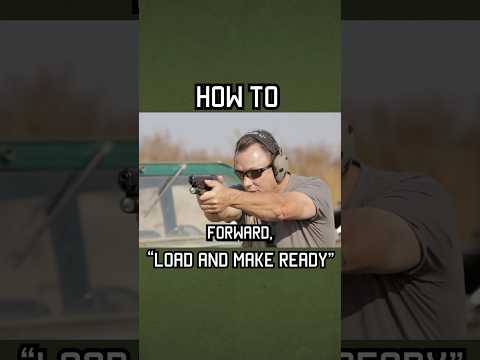
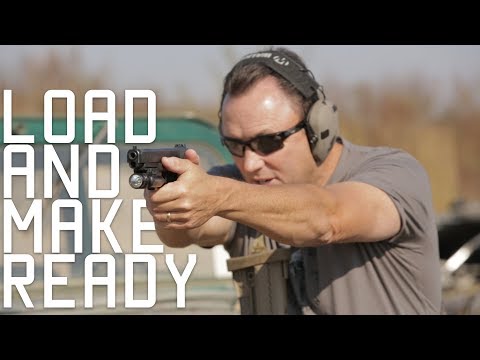
How Special Forces Load-And-Make-Ready #shorts #specialforces #military

Published on May 13, 2026
Duration: 2:32

This guide details the Special Forces method for loading and unloading primary (rifle) and secondary (pistol) weapon systems. It emphasizes starting with the pistol to ensure a protected, loaded weapon is holstered first, followed by the rifle. The process includes detailed steps for chamber checks, magazine insertion, bolt/slide manipulation, and securing the weapon.


Quick Summary

Special Forces load their secondary weapon (pistol) first, then the primary (rifle). This ensures a protected, loaded pistol is holstered before handling the rifle. The process involves chamber checks, magazine insertion, bolt/slide manipulation, and securing the weapon for tactical readiness.

Chapters

  1. 00:01Introduction: Primary vs. Secondary Weapons
  2. 00:10Loading the Pistol: Step-by-Step
  3. 00:35Loading the Rifle: Step-by-Step
  4. 01:20Unloading the Rifle: Procedure
  5. 01:42Unloading the Pistol: Procedure
  6. 02:02Rationale: Pistol First Loading Order
  7. 02:21Conclusion: Proper Weapon System Handling

Frequently Asked Questions

What is the recommended order for loading primary and secondary weapons?

It is recommended to load the secondary weapon (pistol) first, then the primary weapon (rifle). This ensures a protected, loaded pistol is holstered before handling the rifle, enhancing safety and tactical readiness.

How do you ensure a rifle chamber is clear after loading?

After inserting a magazine and engaging the bolt carrier release, visually and physically inspect the chamber. If the bolt is not fully closed, use the forward assist to ensure it is properly seated and the chamber is ready.

What is the 'slingshot' method for pistols?

The 'slingshot' method involves pulling the pistol's slide fully to the rear and then releasing it forward. This action chambers a round from the magazine, preparing the pistol for firing.

Why is it important to check your sights during loading and unloading?

Checking your sights during loading and unloading is a repetition of good practice. It reinforces weapon familiarity and ensures your aiming system is correctly aligned, even when the weapon is not actively being fired.

More Training & Techniques Videos You Might Like

More from Tactical Rifleman

View all →