How to Clear an Over-Bolt Obstruction Malfunction (AR-15)

Published on January 4, 2018
Duration: 1:32

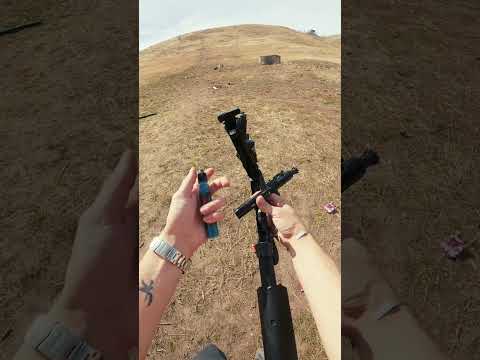
This guide details how to clear a rare 'over-bolt obstruction' malfunction on an AR-15. The instructor demonstrates a technique involving pushing down on the bolt to create space, allowing the charging handle to be pulled back and clear the crushed brass. He emphasizes avoiding excessive force on the charging handle, which can worsen the jam and potentially damage the component.

Quick Summary

To clear an AR-15 over-bolt obstruction, push down on the bolt to create space, then pull the charging handle back to eject the crushed brass. Avoid repeatedly mashing the charging handle, as this can worsen the jam and damage the component.

Chapters

  1. 00:00Introduction to Over-Bolt Obstruction
  2. 00:10What is an Over-Bolt Obstruction?
  3. 00:25What NOT to Do
  4. 00:43Clearing Technique Demonstration
  5. 00:55Safety Warning: Finger Placement
  6. 01:12Post-Clearance Check
  7. 01:22Conclusion

Frequently Asked Questions

What is an over-bolt obstruction malfunction on an AR-15?

An over-bolt obstruction on an AR-15 occurs when spent brass fails to eject properly during the firing cycle and gets crushed between the bolt and the charging handle, preventing the action from cycling.

What is the worst thing to do when clearing an AR-15 over-bolt obstruction?

The worst thing to do is to repeatedly mash on the charging handle. This will further crush the brass, making it more difficult to remove, and can potentially damage or break the charging handle.

How do you clear an over-bolt obstruction on an AR-15?

To clear an over-bolt obstruction, push down on the bolt itself to create space. Then, while holding the bolt down, pull the charging handle rearward to eject the obstruction. Be careful not to pinch your finger.

Can an AR-15 charging handle break from an over-bolt obstruction?

Yes, repeatedly forcing the charging handle when clearing an over-bolt obstruction can lead to it breaking. The bolt components themselves are generally more robust and less likely to be damaged.

Related News

All News →

More Training & Techniques Videos You Might Like

More from The VSO Gun Channel

View all →