How To Get Better At Shooting

Published on November 16, 2025
Duration: 9:46

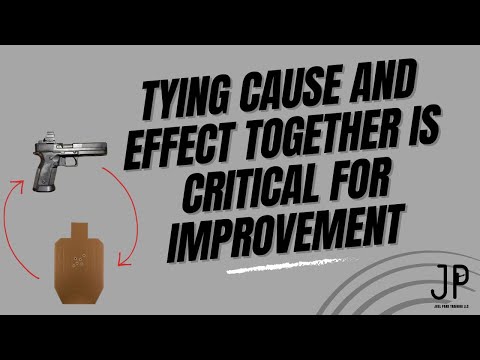
Alyssa Seymour, an experienced shooter, details how to improve firearm accuracy through self-diagnosis. Key areas include mastering grip for recoil control, achieving proper sight alignment and focus, and executing a clean trigger press. Reading target patterns provides crucial feedback on common errors like anticipation or grip issues. Utilizing tools like shot timers and dry-fire systems, along with video review, accelerates improvement by exposing unperceived flaws.

Quick Summary

Improve your shooting accuracy by self-diagnosing errors through target analysis and video review. Focus on mastering grip for recoil control, achieving precise sight alignment, and executing a clean trigger press. Tools like shot timers and dry-fire systems can accelerate your progress by highlighting weaknesses.

Chapters

  1. 00:00Introduction: Why Self-Diagnosis Matters
  2. 00:31Grip Fundamentals for Recoil Control
  3. 01:41Sight Alignment and Target Focus
  4. 02:22The Perfect Trigger Press Technique
  5. 03:40Reading Targets to Diagnose Errors
  6. 04:47Training Tools for Faster Improvement
  7. 05:58Video Review and Goal Setting

Frequently Asked Questions

How can I diagnose shooting errors without an instructor?

You can self-diagnose shooting errors by carefully reading your targets. Left/right shots often indicate grip or trigger issues, while low shots suggest recoil anticipation. Random patterns mean fundamental skills are breaking down. Recording yourself also reveals subtle flaws you might not feel.

What are the key fundamentals for improving shooting accuracy?

Key fundamentals include a proper grip to manage recoil, precise sight alignment with correct focus on the target, and a smooth trigger press where only the trigger finger moves. Consistent practice and self-analysis are crucial for improvement.

What tools can help me get better at shooting?

Effective tools for improving shooting include shot timers to measure speed and expose weaknesses, standardized targets like IDPA or USPSA for consistent scoring, and dry-fire systems such as Mantis, CoolFire, or ACE Virtual Shooting for practice without live ammunition.

How does grip affect shooting accuracy?

Grip is vital for managing recoil and allowing sights to return to zero. A proper grip involves placing the strong hand high on the backstrap and ensuring consistent pressure from the support hand. Inconsistent grip can lead to shots drifting left or right.

More Training & Techniques Videos You Might Like

More from Alyssa Seymour

View all →