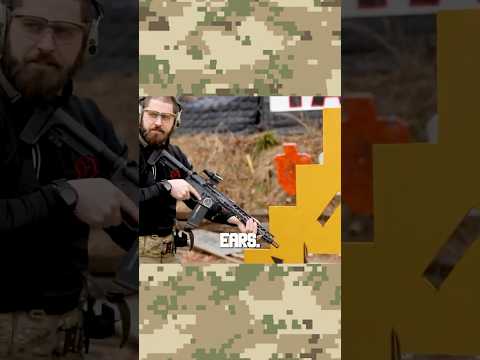
How To Shoot A Gun Quickly and Accurately: Tactical Tuesday

Published on March 6, 2018
Duration: 2:42

This video demonstrates the 'Balance of Speed and Precision Drill,' a fundamental defensive shooting exercise. The drill emphasizes processing commands and applying appropriate shooting ability, mixing up target engagement based on verbal cues. It highlights the importance of assessing the situation after firing and practicing consistently with professional instruction.

Quick Summary

The Balance of Speed and Precision Drill is a key defensive shooting exercise that trains you to adapt your shooting response based on verbal commands. It mixes target engagement, requiring multiple shots to the chest on an 'up' command and a single shot to the head on a 'number' command, simulating real-world unpredictability.

Chapters

  1. 00:04Introduction with Rob Pincus
  2. 00:20Balance of Speed and Precision Drill Explained
  3. 00:53Drill Commands: Up vs. Number
  4. 01:19Post-Drill Assessment and Threat Scan
  5. 01:49Analyzing Performance and Identifying Weaknesses
  6. 01:55Specific Feedback for Shooters
  7. 02:10Importance of Regular Practice and Professional Training
  8. 02:21Closing Remarks and Training Advice

Frequently Asked Questions

What is the Balance of Speed and Precision Drill?

The Balance of Speed and Precision Drill is a fundamental defensive shooting exercise that trains you to process commands and apply the appropriate level of shooting ability. It involves reacting to different verbal cues, such as firing multiple shots to the chest on an 'up' command and a single shot to the head on a 'number' command.

Why is it important to mix up shooting drills?

Mixing up shooting drills prevents complacency and ensures you're prepared for unpredictable real-world scenarios. Constantly performing the same action can build confidence in that specific action, but it might not be the correct response when faced with a dynamic threat.

How does the drill simulate real-world shooting?

The drill simulates real-world shooting by introducing unpredictability in target engagement. You don't know if you'll need to fire a single headshot or multiple chest shots, or at what distance, forcing you to quickly assess and adapt your response based on commands.

What should you do after completing a shooting drill?

After completing a shooting drill, it's crucial to perform a thorough assessment. This includes looking around for any new or remaining threats, considering your next actions like reloading, and being prepared to provide medical attention if necessary.

Related News

All News →

More Training & Techniques Videos You Might Like

More from USCCA

View all →