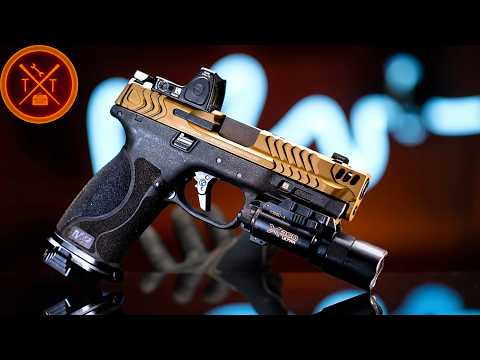
i let Peaks100 dump the GLOCK! 🔫

Published on March 8, 2025
Duration: 31:37

This video demonstrates proper grip and trigger control techniques for semi-automatic pistols, emphasizing a high grip, firm two-handed hold, and a controlled, deliberate trigger squeeze to avoid common issues like limp-wristing and ensure accurate shooting. The instructor highlights the importance of a consistent grip and proper trigger manipulation for reliable firearm operation.

Quick Summary

Mastering pistol grip and trigger control is vital for accurate and safe shooting. A high, firm two-handed grip prevents malfunctions like limp-wristing, while a smooth, deliberate trigger squeeze ensures precision. Understanding these techniques, along with firearm maintenance and the effects of accessories like suppressors, enhances the overall shooting experience.

Chapters

  1. 00:00Introduction & Range Day Setup
  2. 00:43Safety Disclaimer & Range Environment
  3. 00:53Meeting Peaks & Houston Rodeo Mention
  4. 01:20Packing Firearms for the Range
  5. 01:45Guest's Firearms Experience
  6. 02:18Future Training Aspirations
  7. 02:42Starting with BB Guns & Moving Up
  8. 02:55Glock 19X Introduction
  9. 03:02Glock 40 (10mm) Showcase
  10. 03:19Gold Plated Glock 17
  11. 03:30Choosing the First Firearm to Shoot
  12. 03:43Grip Issues & Hearing Protection
  13. 04:24Target Practice & Distance
  14. 04:49Shooting Instructions & Target Aim
  15. 05:03First Shots & Recoil Observation
  16. 05:32Trying Different Firearms
  17. 05:44Ear Pain & Hearing Protection Issues
  18. 06:19Addressing Shooting Form
  19. 06:47Loading & Magazine Insertion Technique
  20. 07:05Slide Bite & Grip Attachment
  21. 07:21Proper Hand Placement on Grip
  22. 07:45Trigger Squeeze Technique Explained
  23. 08:20Executing the Grip and Trigger Pull
  24. 08:36Successful Shot & Grouping
  25. 08:43Identifying Trigger Safety as Key
  26. 08:57Analyzing Shot Grouping
  27. 09:11Switching Firearms
  28. 09:22Extended Magazine Discussion
  29. 09:36Red Dot Sight & Compensator Benefits
  30. 10:00Shooting with Iron Sights
  31. 10:09Gold Firearm Shooting Performance
  32. 10:33Evaluating Grouping on Gold Firearm
  33. 10:43Glock 17 Features (Dot, Light)
  34. 11:05Consequences of Limp-Wristing
  35. 11:15Reinforcing Firm Grip & Magazine Insertion
  36. 11:33Shooting a Smaller Firearm
  37. 11:35Snappy Recoil of Micro Carry
  38. 11:54Smoothness vs. Carryability
  39. 12:01Introducing the Glock 40 (10mm)
  40. 12:10Clarifying Glock 40 Model vs. Caliber
  41. 12:2110mm Ammunition & Power
  42. 12:36Glock 40 Cycling Issues & Lubrication
  43. 13:11Break-in Period for New Finishes
  44. 13:28Importance of Firearm Maintenance
  45. 13:35CLP & Gun Oil for Maintenance
  46. 13:57Troubleshooting Cycling Issues
  47. 14:13Further Shooting for Break-in
  48. 14:20Transition to Rifles
  49. 14:25Recoil Preference Discussion
  50. 14:31Frustration with Cycling Issues
  51. 14:41Trying a New Firearm
  52. 14:46New Firearm Acquisition
  53. 14:52Collector Piece vs. Range Use
  54. 15:13Break-in Period for Painted Guns
  55. 15:15Loud vs. Quiet Shooting Options
  56. 15:19Shooting Suppressed
  57. 15:27AR Platform with Suppressor
  58. 15:44AR-15 Loading Procedure
  59. 15:56Safety Selector & Chambering Round
  60. 16:13Suppressed AR-15 Firing
  61. 16:43Shooting Impressions of Suppressed AR
  62. 17:01Gas Blowback with Suppressors
  63. 17:13Trying the Suppressed Firearm
  64. 17:27Engaging the Safety
  65. 17:38Shooting Stance & Lean
  66. 17:50Flipping Safety Off
  67. 17:59Positive Shooting Experience
  68. 18:02Acquiring Suppressed Firearm
  69. 18:11Suppressor Acquisition Process
  70. 18:30Compact Suppressed Firearm Design
  71. 18:36Suppressor Removal & Portability
  72. 18:43Additional Magazines
  73. 18:47Offering Another Shooter a Turn
  74. 19:07Firearm on Safe
  75. 19:15Shooting the Suppressed Firearm
  76. 19:27Dumping the Magazine
  77. 19:38Gas Exposure During Suppressed Firing
  78. 19:43Defensive Stance & Low Profile
  79. 20:01Firearm Not on Safety
  80. 20:04Proper Firearm Handling
  81. 20:17Gas in Face & Holding Breath
  82. 20:43Shooting with Gas Exposure
  83. 20:54Suppressor & Optic Cost
  84. 21:15Military-Grade Equipment
  85. 21:17Bringing More Gear
  86. 21:23Outdoor Shooting Experience
  87. 21:30Explosive Targets & Outdoor Fun
  88. 21:39Loud vs. Quiet Shooting Recap
  89. 21:43Importance of Earplugs
  90. 21:54Suppressor Heat & Handling
  91. 22:06Suppressor Cooling Down
  92. 22:09Draco Pistol Introduction
  93. 22:13Tactical AK Pistol Features
  94. 22:227.62 Caliber & Mechanics
  95. 22:27AR vs. AK Magazine Insertion
  96. 22:42AK Safety Selector
  97. 22:47AK Charging Handle
  98. 22:50Loud AK Firing
  99. 23:01Next Shooter Opportunity
  100. 23:06Firearm Ready to Fire
  101. 23:16Impressions of AK Pistol
  102. 23:32Stumbling & Recoil
  103. 23:52More Stumbling & Recoil
  104. 24:01Shooting Stance Adjustments
  105. 24:06Leaning into the Firearm
  106. 24:14Power of Firearms
  107. 24:19Shot of Drink
  108. 24:26Reactions to Firearm
  109. 24:29AK Pistol Performance
  110. 24:32Full Auto AK Mention
  111. 24:49Waiting for Dump
  112. 24:55Sending the Shot
  113. 25:11Who's Next?
  114. 25:30Loading Procedure for AK
  115. 25:41AK Firing Sequence
  116. 25:48Returning Safety
  117. 25:51Dumping Magazine on AK
  118. 25:57AK Firing Experience
  119. 26:13Smoke from AK
  120. 26:16Ear Protection Reminder
  121. 26:19Ear Ringing & Loudness
  122. 26:31Hearing Damage from 7.62
  123. 26:37AK Pistol as Favorite
  124. 26:42Recommendation to Buy AK
  125. 26:46Peaks Never Lacking
  126. 26:53Final Thoughts on Draco
  127. 27:01Crushing It
  128. 27:08Tight Grouping
  129. 27:10Draco Solid Performance
  130. 27:15Recognizing the Shooter
  131. 27:23Shooter's Performance Evaluation
  132. 27:33Glock & AR Performance
  133. 27:39Smaller Firearm Performance
  134. 27:46Tummy J Mention
  135. 27:50Grabbing Gear
  136. 28:11Outdoor vs. Indoor Sound Concussion
  137. 28:20Outdoor Shooting Benefits
  138. 28:26Suppressor Sound Reduction
  139. 28:31Outdoor Activities
  140. 28:36Hunting Discussion
  141. 28:43Hunting Season & Types
  142. 28:49Hunting with Friends
  143. 28:57Request for Hunting Videos
  144. 29:02Outdoor Adventures
  145. 29:04Louisiana Swamp Rats
  146. 29:14Fishing Experiences
  147. 29:28ATV Riding & Mudding
  148. 29:39Comparing Locations (VA vs. Houston)
  149. 29:45VA's Small Size
  150. 29:53Northern Virginia Areas
  151. 30:01Tyson Area Mention
  152. 30:07More Activities in Houston
  153. 30:14Love for VA
  154. 30:18Appreciation for the Experience
  155. 30:26Returning Home & Recap
  156. 30:30Outdoor Shooting Request
  157. 30:37Full Outdoor Experience
  158. 30:44Steel Targets & Tanerite
  159. 30:52Call to Action: Like & Subscribe
  160. 30:55Blessings & Channel Name
  161. 31:05Outro & Final Thoughts

Frequently Asked Questions

What are the key techniques for improving pistol grip and trigger control?

Achieving a high, firm two-handed grip is essential for recoil management and preventing malfunctions like limp-wristing. Proper trigger control involves taking up slack to the wall, feeling resistance, and smoothly squeezing through the break, avoiding a slap or jerk.

Why is a proper grip important when shooting semi-automatic pistols?

A proper grip ensures the firearm cycles correctly by providing enough energy for the slide to operate. It also helps control recoil, maintain accuracy, and prevent dangerous malfunctions such as the slide cutting the shooter's hand.

What is limp-wristing and how can it be avoided?

Limp-wristing occurs when a shooter has a weak grip, preventing the firearm's slide from cycling properly, leading to malfunctions. To avoid it, maintain a firm, consistent two-handed grip, ensuring your hands are high on the pistol's backstrap.

How does a suppressor affect shooting a firearm?

Suppressors significantly reduce the sound of a firearm, but can increase gas blowback, potentially affecting sight picture and requiring shooters to hold their breath. They also make the firearm hotter and require careful handling.

What are the considerations for shooting a Glock 40 chambered in 10mm?

The Glock 40 is a model, not a caliber; this one is 10mm, offering more power than 9mm. New firearms with special finishes may need a break-in period and extra lubrication to cycle smoothly.

Related News

All News →

More Training & Techniques Videos You Might Like

More from Esai Givens

View all →